Herbicides and Pesticides: Post-Hormuz Chinese Export Restrictions Easing — Global Agrochemical Supply Normalizing
Introduction
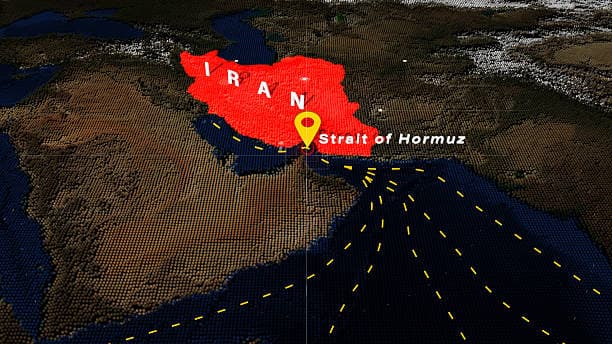
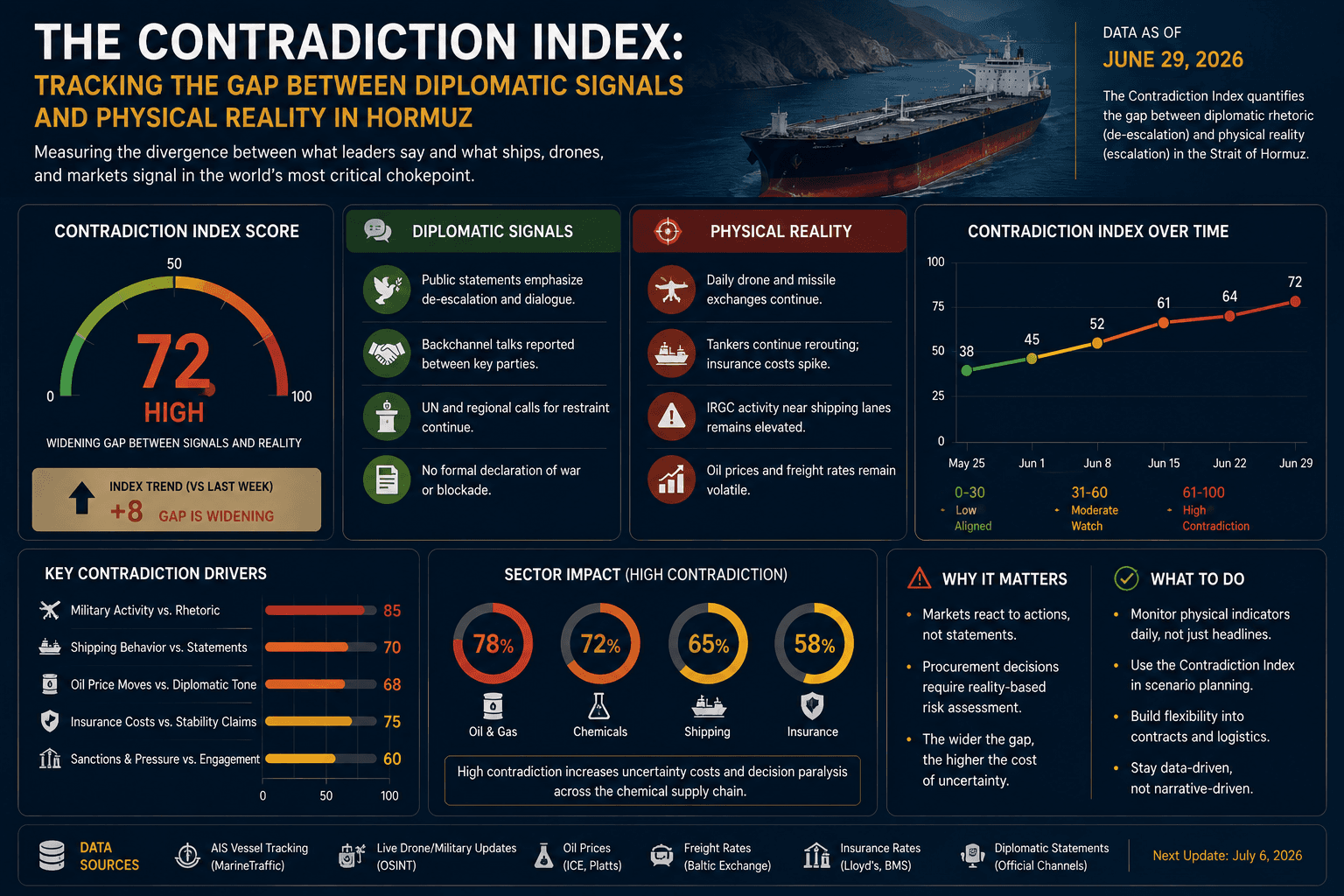
The global agrochemical industry is showing signs of stabilization as Chinese export restrictions ease following recent supply chain disruptions linked to tensions around the Strait of Hormuz. Over the past several months, uncertainty surrounding international shipping routes, raw material availability, and export logistics created challenges for herbicide and pesticide manufacturers worldwide.
As export flows from China begin to normalize, market participants are witnessing improvements in product availability, lead times, and supply chain reliability. For agricultural producers, distributors, and agrochemical manufacturers, the easing of restrictions represents a positive development that could support more balanced market conditions heading into upcoming planting seasons.
Why China Matters in the Global Agrochemical Market
China remains one of the world's most important producers of agrochemical active ingredients and intermediates.
The country plays a major role in supplying:
Herbicide active ingredients
Insecticide intermediates
Fungicide components
Crop protection additives
Formulation chemicals
Specialty agricultural chemicals
Many global agrochemical companies rely on Chinese production facilities for both raw materials and finished products, making export conditions in China a critical factor influencing worldwide supply dynamics.
How Hormuz-Related Disruptions Affected Agrochemical Supply
Regional tensions affecting major shipping corridors contributed to widespread uncertainty throughout global supply chains.
Key impacts included:
Higher freight costs
Shipping delays
Increased inventory shortages
Longer procurement lead times
Supply planning challenges
These issues affected both agrochemical manufacturers and agricultural distributors seeking reliable access to crop protection products.
Signs of Market Normalization
Improved Export Activity
As restrictions ease and logistics conditions improve, Chinese producers are increasing export volumes of key agrochemical products.
This is helping restore global availability of:
Glyphosate-based herbicides
Selective herbicides
Broad-spectrum pesticides
Crop protection intermediates
Specialty agricultural formulations
Improved export flows are reducing pressure on international supply chains.
Better Lead Times
One of the most immediate benefits of easing restrictions is the reduction in delivery delays.
Buyers are beginning to experience:
Faster order fulfillment
Improved shipping schedules
Greater supply visibility
More predictable inventory management
These improvements support more efficient procurement planning throughout the agricultural sector.
Reduced Supply Chain Uncertainty
As export operations stabilize, market participants gain greater confidence in sourcing strategies and production planning.
This can help reduce emergency purchasing activity and improve overall market balance.
Impact on Herbicide Markets
Increased Product Availability
Herbicide supply has faced significant volatility during recent disruptions.
Improved exports are expected to support:
Greater inventory availability
Better seasonal preparedness
More consistent product distribution
Reduced supply bottlenecks
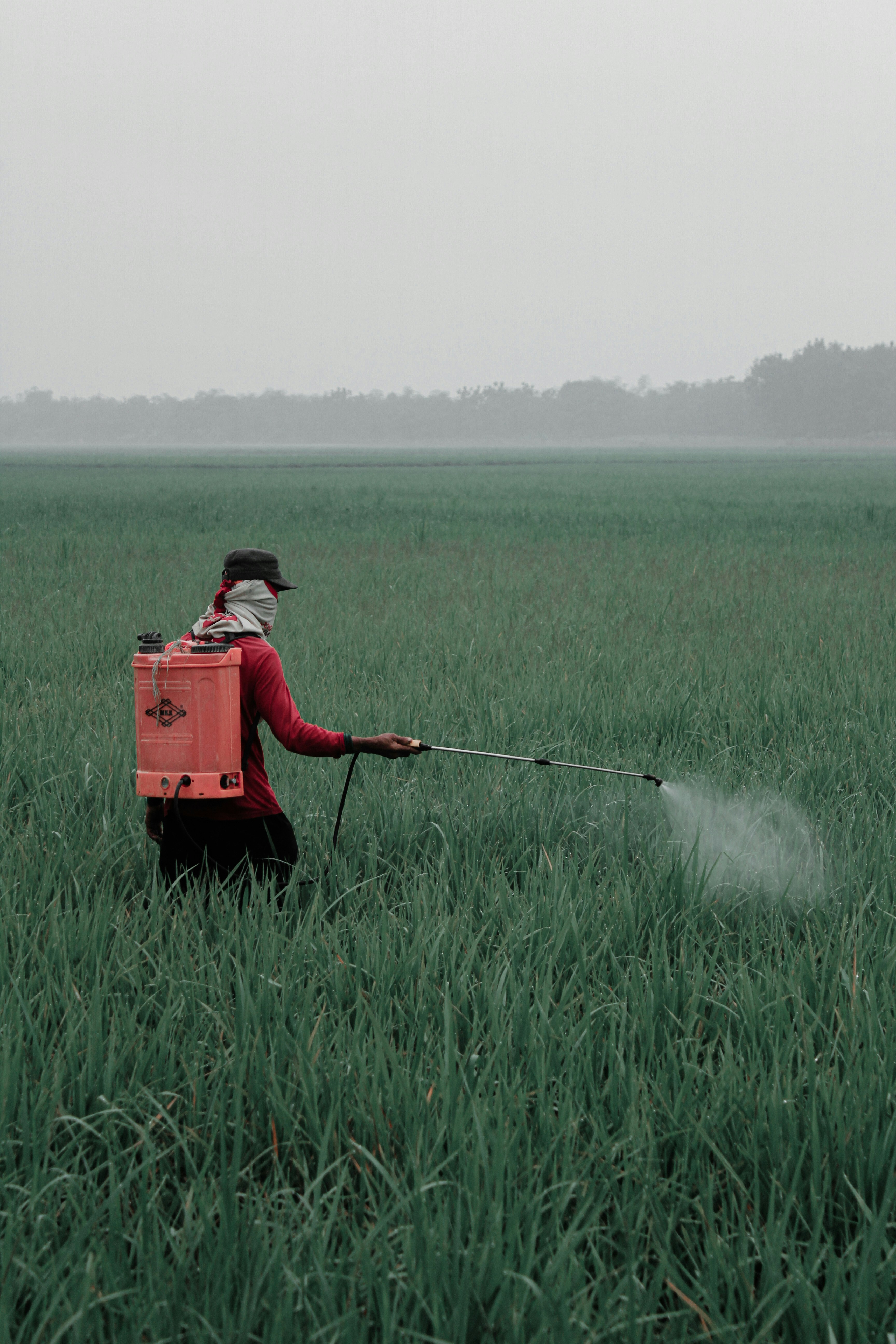
Farmers may benefit from improved access to essential weed management solutions.
Pricing Stabilization
Although market conditions vary by product and region, increased supply availability may help moderate pricing pressures that emerged during periods of logistical disruption.
However, pricing will continue to be influenced by:
Raw material costs
Energy prices
Freight expenses
Regional demand patterns
Effects on Pesticide Supply Chains
Improved Manufacturing Planning
Pesticide formulators rely on timely access to active ingredients and intermediates.
More predictable export activity allows manufacturers to:
Optimize production schedules
Improve inventory control
Reduce procurement risks
Enhance customer service performance
Enhanced Distribution Efficiency
Distributors can better manage product availability and respond more effectively to seasonal demand fluctuations.
This supports improved market responsiveness across agricultural regions.
Opportunities for Agrochemical Producers
Inventory Rebuilding
Many companies are taking advantage of improving supply conditions to rebuild inventories and strengthen supply security.
Strategic Supplier Diversification
Recent disruptions highlighted the importance of diversified sourcing strategies.
Companies are increasingly evaluating:
Multiple supplier relationships
Regional sourcing options
Alternative logistics routes
Long-term procurement agreements
Investment in Supply Chain Resilience
The experience of recent disruptions is encouraging greater investment in:
Digital supply chain monitoring
Inventory optimization tools
Risk management programs
Logistics flexibility
Challenges That Still Remain
Despite improving conditions, several risks continue to influence the market.
Geopolitical Uncertainty
Global trade and transportation networks remain vulnerable to future geopolitical developments.
Freight Market Volatility
Shipping costs may continue to fluctuate depending on fuel prices, vessel availability, and trade route conditions.
Regulatory Pressures
Environmental regulations affecting agrochemical products continue to evolve in many major agricultural markets.
Manufacturers must remain prepared to adapt to changing compliance requirements.
Strategic Recommendations for Market Participants
To strengthen resilience and capitalize on improving conditions, companies should consider:
Reassessing inventory strategies.
Diversifying sourcing networks.
Monitoring geopolitical developments.
Strengthening supplier relationships.
Improving supply chain visibility.
Evaluating long-term procurement contracts.
These actions can help reduce exposure to future disruptions while supporting operational stability.
Future Outlook
The easing of Chinese export restrictions marks an important step toward restoring balance in global agrochemical supply chains. As logistics networks normalize and production flows improve, herbicide and pesticide markets are expected to experience greater stability.
Continued growth in agricultural productivity requirements, combined with increasing demand for crop protection solutions, should support long-term market opportunities for agrochemical manufacturers and suppliers.
Conclusion
The gradual normalization of Chinese agrochemical exports following Hormuz-related disruptions is providing much-needed relief to global herbicide and pesticide markets. Improved product availability, shorter lead times, and reduced supply chain uncertainty are helping restore confidence throughout the agricultural value chain.
While challenges such as geopolitical risks and freight volatility remain, the current trend toward supply stabilization offers positive prospects for manufacturers, distributors, and farmers seeking reliable access to essential crop protection products.
Textured Soy Protein CAS: 9010-10-0