
Caprylic Triglyceride CAS: 73398-61-5
Caprylic Triglyceride CAS: 73398-61-5
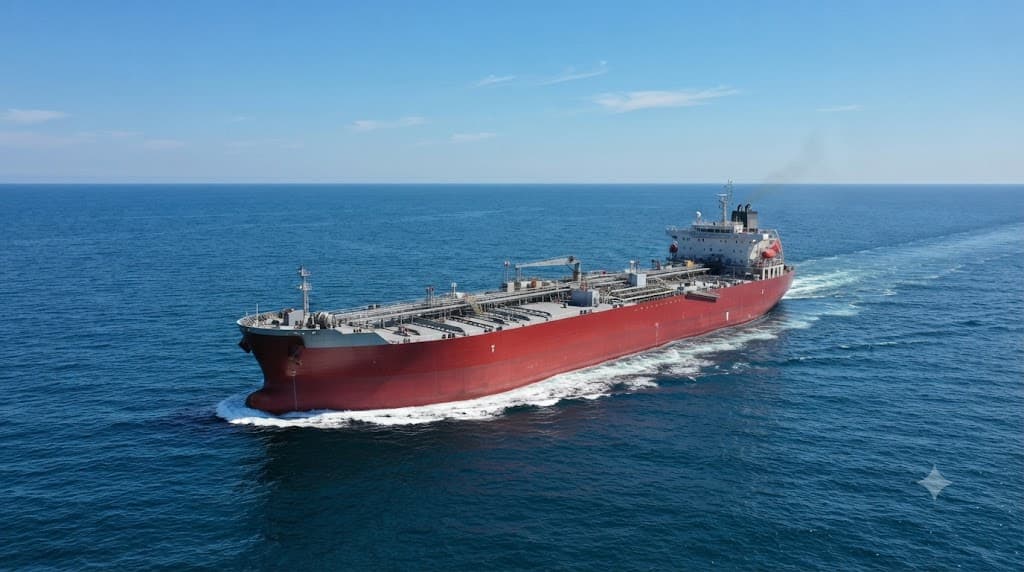
The current escalation has directly touched Iran, the US, Kuwait, the UAE, Oman, Jordan, Saudi Arabia and Yemen. Chemical buyers must rank this expanded footprint against past crises to adjust procurement strategies.

The transfer of LyondellBasell's European assets to Velogy has introduced fresh uncertainty for buyers of adhesive raw materials. Procurement teams sourcing European EVA, VAM and acrylic acid should closely monitor production plans at the French and German cracker sites.
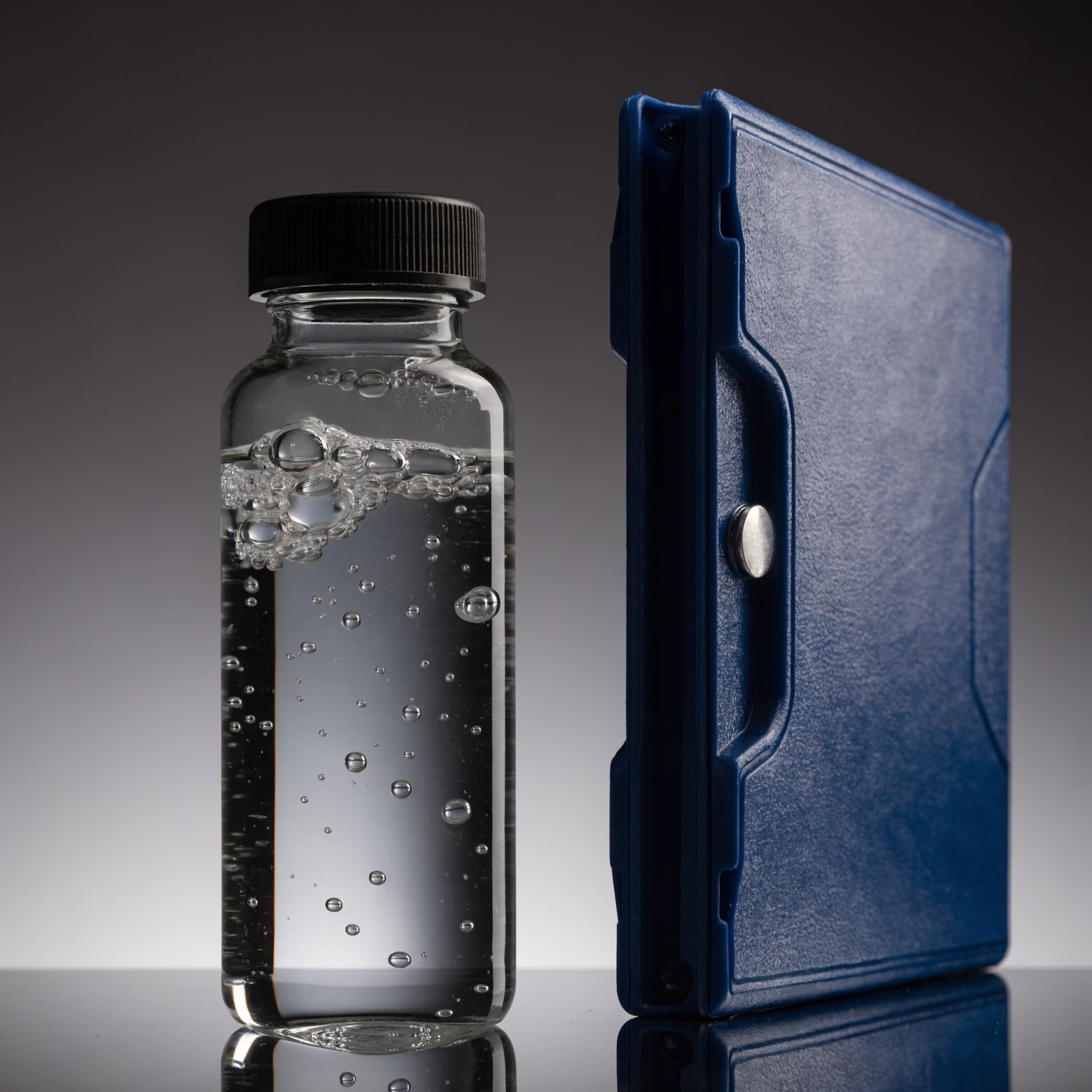
The anticipated July to August 2026 REACH SVHC candidate list update could introduce new notification obligations for chemical manufacturers, importers and downstream users. Procurement and compliance teams should prepare now to respond quickly when the revised candidate list is published.
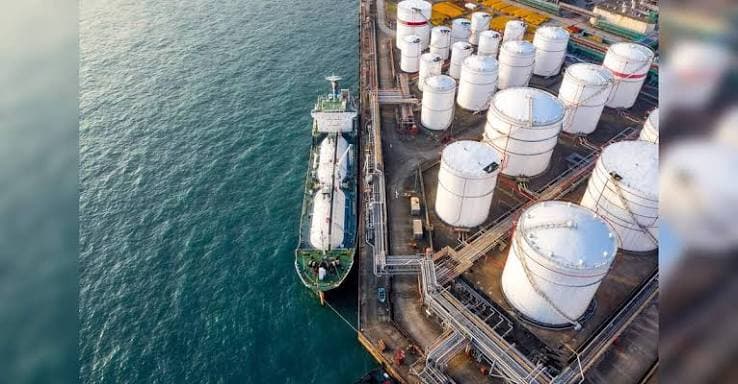
Japan's chemical industry enters H2 2026 after overcoming its most severe naphtha supply disruption in decades. The country's rapid diversification of feedstock sourcing may prove to be the most important long-term outcome of the Hormuz crisis, reshaping procurement strategies well beyond the recovery period.

Iran enters H2 2026 presenting three distinct institutional positions on diplomacy, maritime security and international engagement. For chemical buyers, understanding these competing policy signals is becoming as important as monitoring production capacity or sanctions compliance.
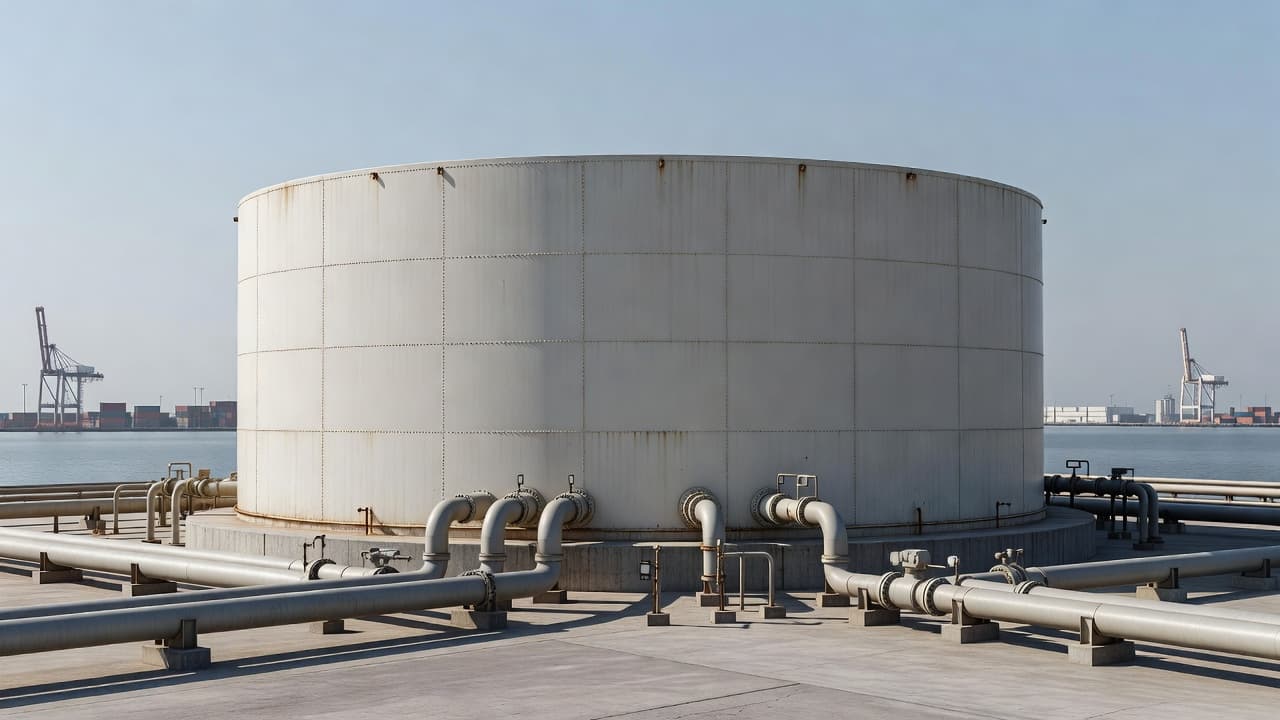
Chemical supply chains depend on stable trade routes, diplomatic channels and predictable negotiations. The Oman crisis shows how quickly geopolitical decisions can affect sourcing strategies, supplier confidence and procurement planning.
We're committed to your privacy. Tradeasia uses the information you provide to us to contact you about our relevant content, products, and services. For more information, check out our privacy policy.
Download Our Mobile App


Contact us
Orion Tower One, 9th Floor, No. 736 Dr Danister de silva Mawatha Colombo 09, 00700, Sri Lanka
