Introduction
By 2026, the chemical market is shaped by rapid regulatory changes, supply disruptions, and a growing demand for sustainability. Chemical distributors are no longer just freight forwarders; they act as value-added chemical distribution platforms that help buyers navigate complexity.
Seven Ways Distributors Create Value
1. Supply Chain Resilience
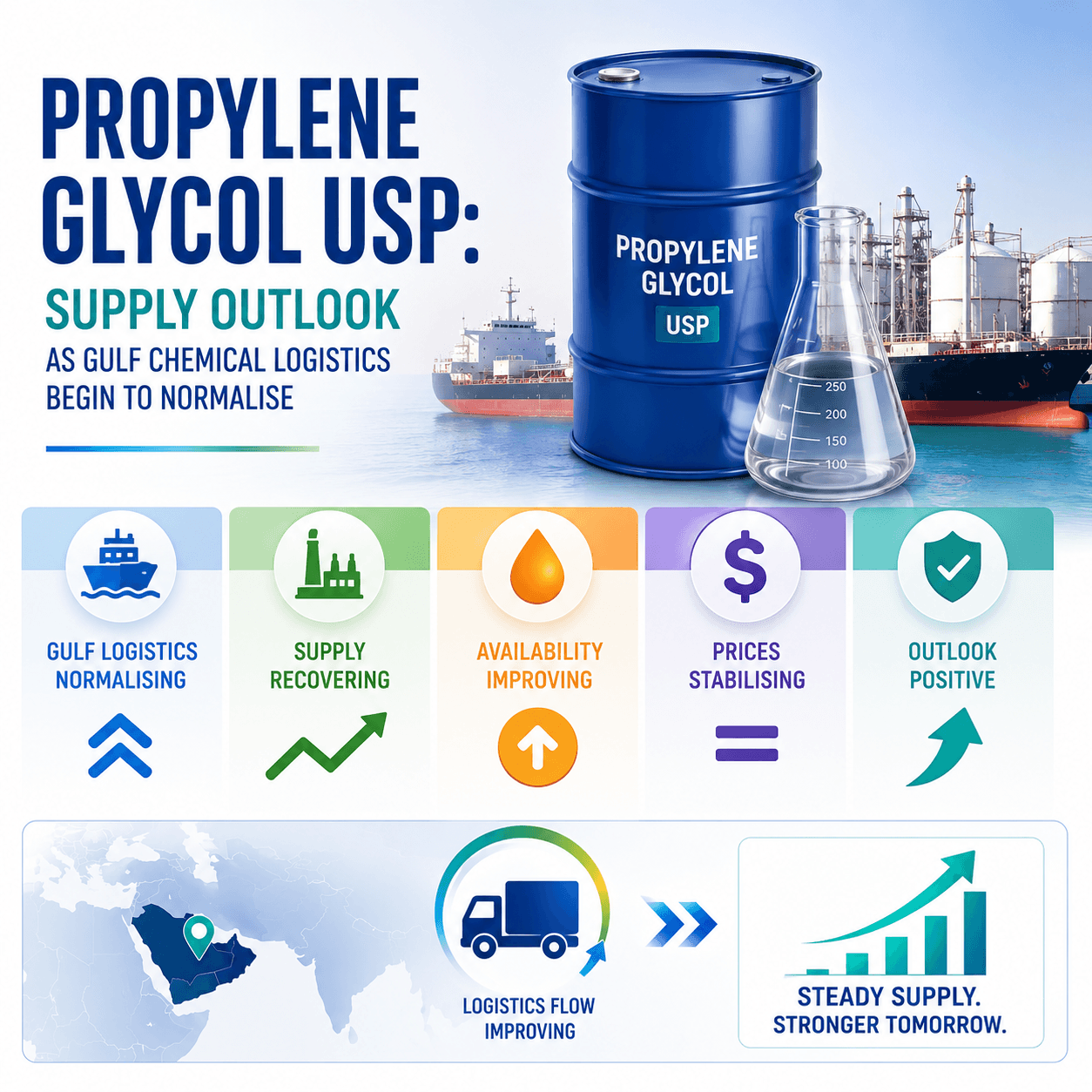
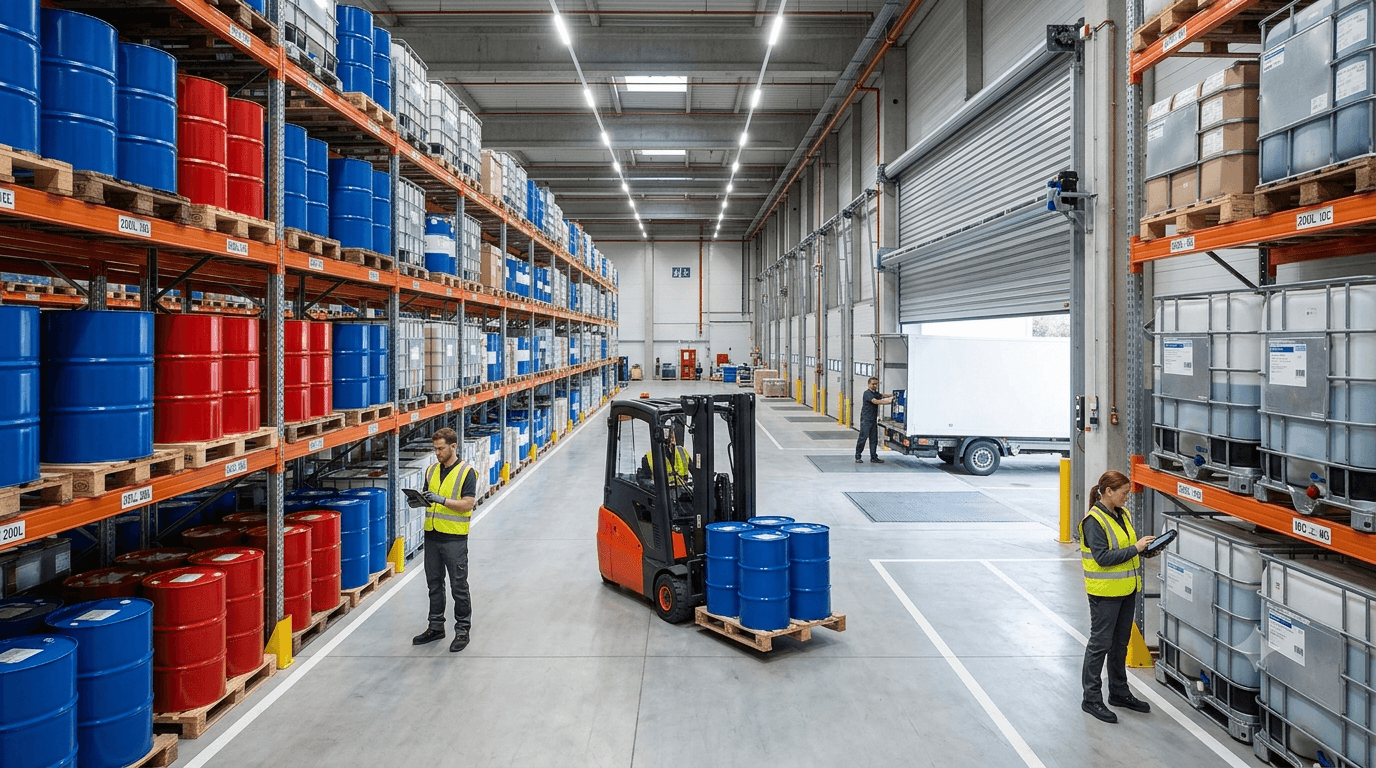
Distributors maintain diversified inventory, enabling quick response to shortages. They also have regional hubs that reduce lead times, especially critical when global events disrupt traditional routes.
2. Technical Expertise and Product Knowledge
Distributors employ chemists and process engineers who advise on formulation tweaks, safety data sheet updates, and compliance with new regulations like REACH and RoHS.
3. Integrated Procurement Platforms
Modern distributors provide digital portals that aggregate pricing, track orders, and automate re‑ordering. This streamlines chemical procurement intermediaries processes, saving time and reducing errors.
4. Blending and Repackaging Services
On-demand blending allows buyers to create custom formulations. Repackaging supports smaller batch sizes, reducing waste and enabling rapid prototyping.
5. Sustainability Consulting
Distributors help clients meet ESG goals by offering greener raw materials, carbon‑neutral shipping options, and waste‑reduction programs.
6. Risk Management and Compliance
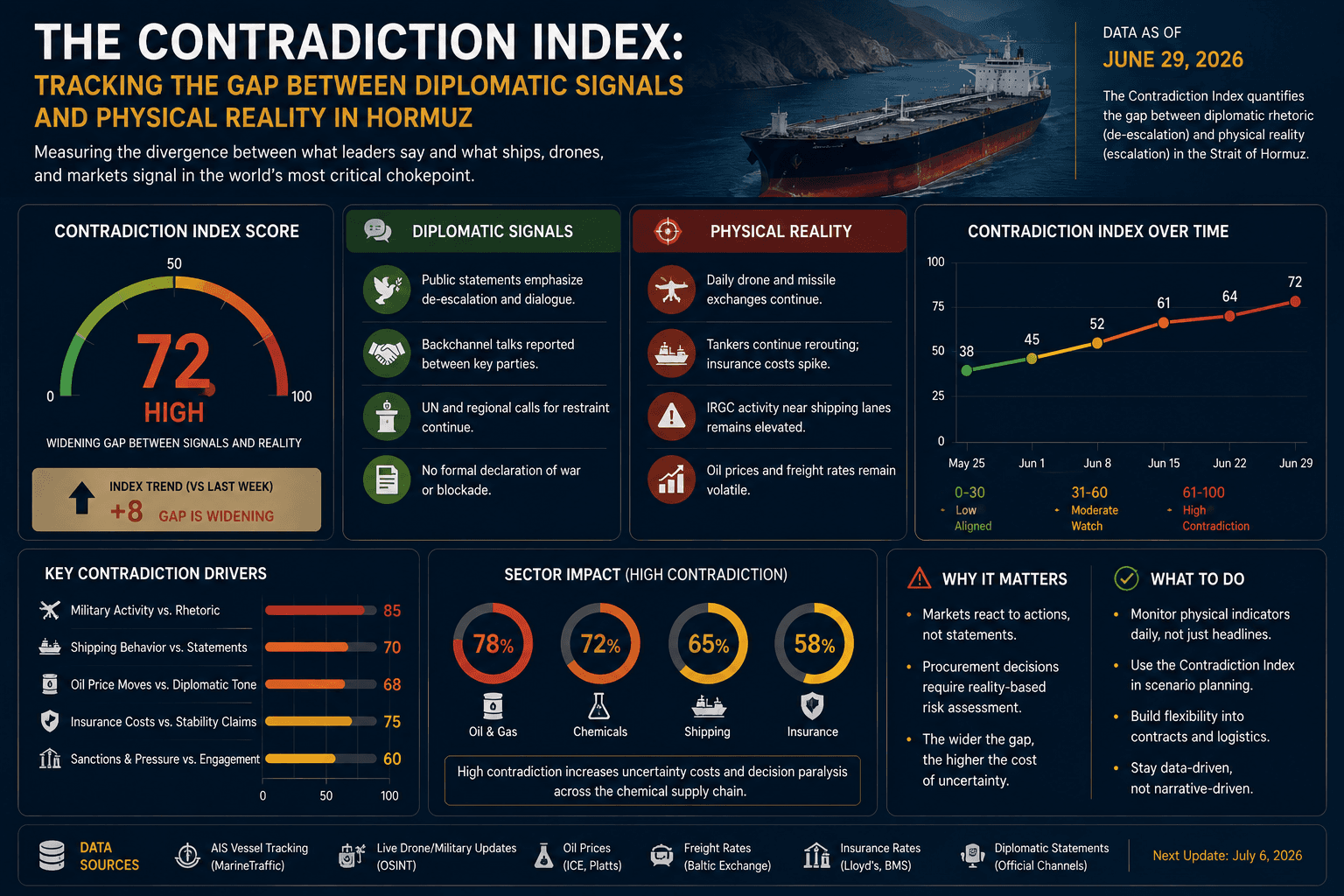
They monitor geopolitical risks, track export controls, and ensure all chemicals meet local and international standards, protecting buyers from legal penalties.
7. Market Intelligence & Trend Forecasting
Distributors analyze market data and share insights on price trends, emerging raw materials, and new applications, positioning buyers ahead of the curve.
Case Studies: Brenntag, IMCD, and Azelis
Each of these leaders exemplifies the modern value proposition:
- Brenntag 2026 – Leveraging AI to optimize inventory levels across 200+ countries.
- IMCD – Offering a cloud-based procurement suite that integrates with OEM ERP systems.
- Azelis – Pioneering low‑carbon blending facilities in emerging markets.
Why Buyers Should Partner with Intermediaries
In volatile markets, chemical supply chain intermediaries reduce risk, provide expertise, and unlock efficiencies that large manufacturers cannot achieve alone. By aligning with a distributor, buyers gain:
- Faster time‑to‑market
- Lower total cost of ownership
- Enhanced regulatory compliance
- Access to niche chemicals
Conclusion
In 2026, the most successful chemical buyers will treat distributors not as logistics providers but as strategic partners. Understanding the seven value drivers—resilience, expertise, digital tools, blending, sustainability, compliance, and intelligence—will enable companies to make informed procurement decisions and thrive amid market uncertainty.