
A 90.65% year-on-year increase in net profit is not merely a company success story. It reflects one of the most significant shifts in global petrochemical competitiveness seen in recent years.
Hengli Petrochemical emerged as a major beneficiary of the supply disruptions surrounding the Strait of Hormuz during early 2026. While many refiners and chemical producers struggled with feedstock uncertainty, Chinese integrated refining companies leveraged diversified crude sourcing, domestic coal-based chemical capacity and strong export demand to strengthen margins.
The result was a sharp increase in chemical exports, stronger refinery economics and a temporary competitive advantage that reshaped trade flows across Asia and beyond.
Why Hengli Petrochemical Outperformed in Q1 2026
Hengli Petrochemical's earnings growth reflected broader structural advantages within China's refining and petrochemical sector.
Unlike many competitors that depended heavily on Middle Eastern crude flows through the Strait of Hormuz, Chinese refiners entered the crisis with multiple sourcing options. These included imports from Russia, domestic energy resources and alternative crude arrangements that helped stabilize feedstock availability.
The company's integrated business model also played an important role. Hengli operates across refining, petrochemicals and downstream manufacturing, allowing it to capture value throughout the production chain rather than relying on a single market segment.
As feedstock costs became increasingly volatile worldwide, integrated producers enjoyed greater flexibility in maintaining production and managing margins.
How the Hormuz Crisis Changed Global Chemical Markets
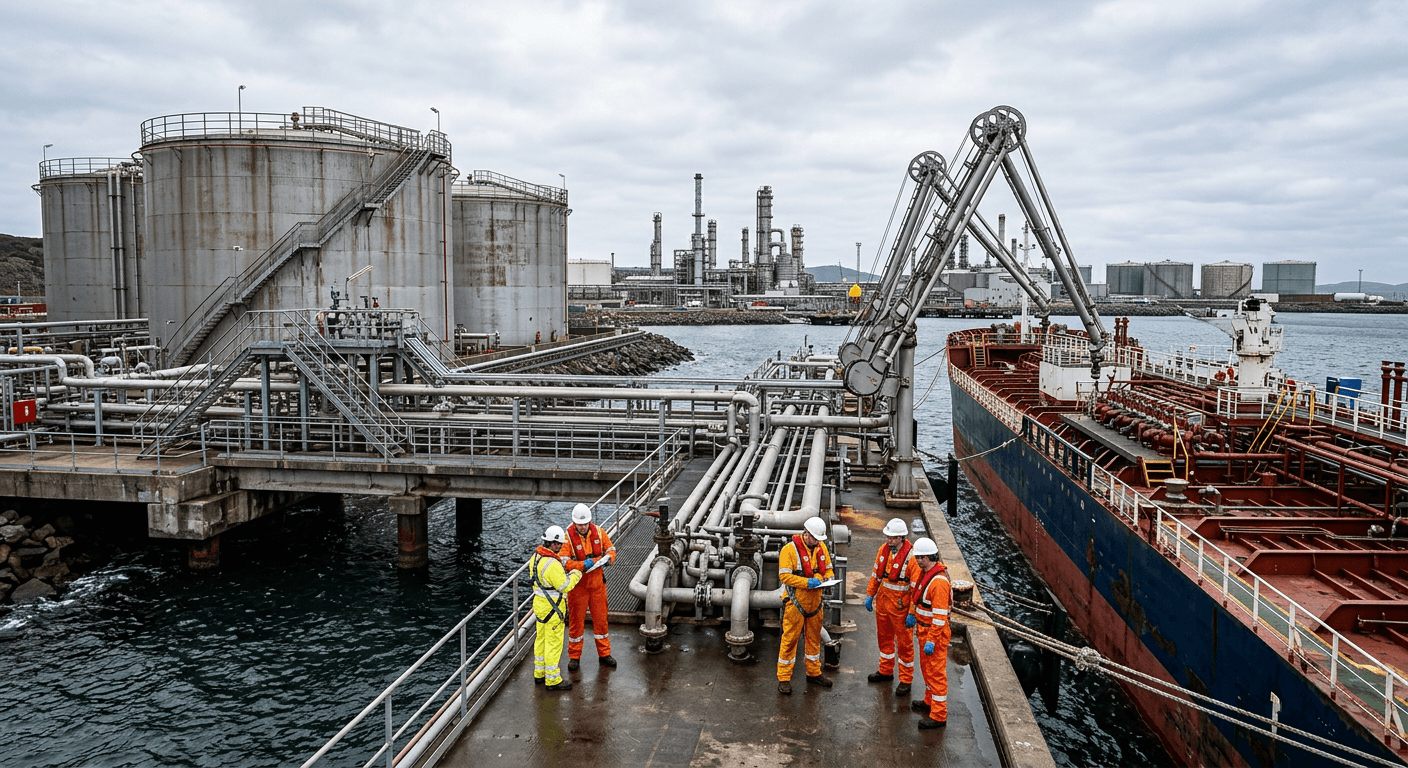
The Strait of Hormuz remains one of the world's most important energy transportation corridors. Any disruption immediately affects crude oil availability, shipping costs and refinery operations.
During the crisis period, many producers outside China faced several challenges:
Reduced access to affordable crude supplies, forcing some facilities to lower operating rates.
Higher freight expenses that increased production costs throughout petrochemical supply chains.
Uncertainty in feedstock procurement that complicated long-term supply agreements.
Chinese refiners experienced a different reality. Alternative sourcing strategies and established domestic infrastructure reduced the impact of supply interruptions, enabling production to continue while competitors struggled.
This divergence created opportunities for Chinese exporters to gain market share across multiple chemical categories.
China's Export Surge Creates New Trade Dynamics
One of the clearest indicators of China's competitive advantage was the rapid expansion of chemical exports.
March and April 2026 witnessed export growth of approximately 40% year-on-year. Exports to Asian markets increased by nearly 70%, highlighting the region's growing dependence on Chinese supply during the disruption period.
Several factors supported this growth:
Stable feedstock availability allowed manufacturers to maintain high operating rates.
Strong production integration reduced unit costs compared with many international competitors.
Regional buyers sought reliable suppliers capable of delivering consistent volumes during uncertain market conditions.
For procurement teams across Asia, China became a critical source of petrochemicals, polymers and chemical intermediates when alternative supply channels faced constraints.
The Strategic Importance of Integrated Refining
Integrated refining has become one of the defining competitive advantages in modern petrochemicals.
Companies such as Hengli Petrochemical and Rongsheng Petrochemical combine refining operations with extensive downstream chemical production. This structure provides several benefits:
Better utilization of refinery outputs across multiple product streams.
Greater flexibility when market demand shifts between fuels and chemicals.
Improved margin capture across the entire value chain.
Enhanced resilience during feedstock market disruptions.
When crude prices fluctuate sharply, integrated operators often respond more effectively than standalone refiners or independent chemical producers.
The events of early 2026 reinforced this reality. Companies with diversified operations proved significantly more resilient than businesses concentrated in a single segment.
Coal-to-Chemicals Infrastructure Strengthened China's Position
Another important factor behind China's resilience was its substantial coal-to-chemicals sector.
While crude oil remains the primary feedstock for many petrochemical products, China has invested heavily in technologies that convert coal into chemical intermediates and industrial raw materials.
This alternative production pathway helped reduce dependence on imported hydrocarbons during periods of market disruption.
The benefits included:
Greater domestic feedstock security.
Reduced exposure to maritime transport risks.
Additional supply flexibility during international crises.
Although coal-based production faces environmental scrutiny, its strategic value became particularly evident during the Hormuz disruption.
For chemical buyers, this meant Chinese suppliers maintained production levels that many international competitors could not match.
Rongsheng and Other Chinese Producers Face a New Challenge
The market conditions that benefited Chinese producers may not last indefinitely.
The signing of the Hormuz memorandum of understanding has improved expectations for regional stability and supply normalization. As Middle Eastern crude and petrochemical exports gradually return to global markets, competitive pressures are beginning to change.
This creates a new challenge for companies that gained market share during the disruption.
Potential impacts include:
Lower export premiums as additional supply enters the market.
Increased competition in key Asian destinations.
Narrower margins for commodity petrochemicals.
More aggressive pricing from Middle Eastern producers seeking to recover market share.
Hengli Petrochemical and its peers must now compete in an environment where temporary supply advantages become less significant.
What Returning Middle Eastern Supply Means for Buyers
For procurement professionals, the return of Middle Eastern supply could create favorable purchasing conditions during the second half of 2026.
Additional availability often increases competition among exporters, which can place downward pressure on pricing across several product categories.
Buyers should monitor:
Polyolefins and polymer markets.
Aromatics and petrochemical intermediates.
Refinery-derived chemical feedstocks.
Regional freight rate developments.
Competition between Chinese exporters and Middle Eastern suppliers may improve negotiating leverage for importers and distributors.
At the same time, buyers should avoid assuming that prices will decline uniformly across all products. Feedstock costs, inventory levels and regional demand patterns will continue to influence individual chemical markets.
Regional Trade Flows Are Being Redefined
The events of 2026 demonstrated how quickly global trade patterns can shift when supply chains face disruption.
Asian importers increasingly relied on Chinese material during the crisis. Some buyers established new supplier relationships and adjusted procurement strategies to reduce exposure to geographic concentration risks.
Several long-term changes may persist:
Greater supplier diversification among industrial buyers.
Increased emphasis on supply chain resilience rather than lowest-cost sourcing alone.
Expanded Chinese presence in regional petrochemical trade.
Stronger interest in integrated producers with reliable feedstock access.
These changes could influence procurement decisions well beyond 2026.
Margin Pressure May Increase Through H2 2026
The next phase of the market cycle may look very different from the first quarter.
As additional Middle Eastern volumes reach international markets, export margins earned during the disruption period could begin to contract. Producers that benefited from temporary supply shortages may encounter more competitive pricing conditions.
Several indicators deserve close attention:
Refinery operating rates across Asia.
Export volumes from Gulf producers.
Crude oil price stability.
Inventory accumulation within key importing markets.
The balance between supply recovery and demand growth will largely determine whether current pricing levels remain sustainable.
The Bottom Line for Procurement Teams
Hengli Petrochemical's strong Q1 2026 performance highlights how supply chain resilience, integrated operations and diversified feedstock sourcing can create significant competitive advantages during periods of market disruption.
The Hormuz crisis temporarily strengthened China's position within global petrochemicals, enabling companies such as Hengli to expand exports and improve profitability while many competitors struggled with feedstock constraints.
The market now enters a new phase. As Middle Eastern supply returns, procurement teams should prepare for shifting trade flows, evolving pricing dynamics and intensified competition among exporters. Companies that actively monitor supplier diversification, regional inventory trends and refinery operating rates will be better positioned to capture opportunities as the market rebalances.
Ready to source Hengli Petrochemical-related products from verified global suppliers? Explore competitive offers on our platform today.
Polyethylene Terephthalate (PET) CAS: 25038-59-9