


Related Insights
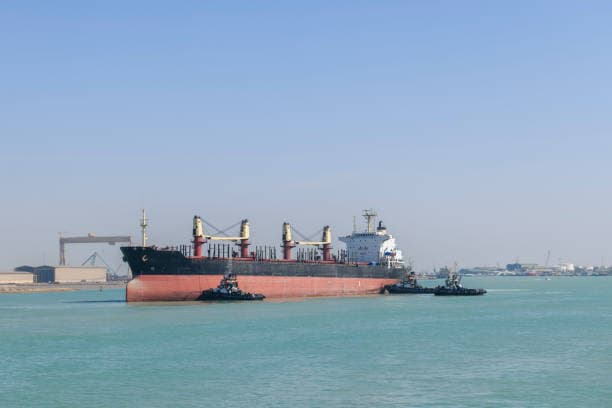
Iranian-Flagged Vessels Still Moving: What Their Transits Signal
Despite heightened tensions in the Persian Gulf, Iranian-flagged ships continue to navigate key maritime corridors. Their persistent presence offers clues about regional shipping resilience, chemical logistics, and the evolving power dynamics of global supply chains.

Dark Tankers: The AIS Blackout Problem and Its Chemical Supply Chain Documentation Implications
The widespread use of AIS-disabled "dark tankers" during the Hormuz crisis created new compliance and documentation challenges for global chemical supply chains. As escorted convoy operations expand, improved vessel traceability is becoming an important commercial advantage for buyers operating under strict regulatory and quality requirements.

Wood Mackenzie's Permanent Plant Closure Warning: Which Chemical Plants May Never Restart and What Buyers Should Do
Wood Mackenzie's latest market assessment suggests the Hormuz disruption could permanently reshape global chemical production. Procurement teams that identify supplier risks early and qualify alternative sources now will stand in a stronger position as supply tightens.
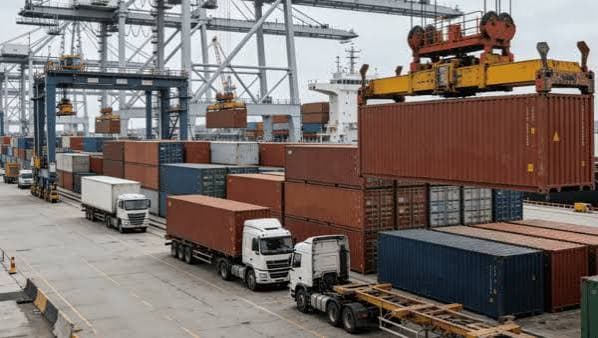
Food Ingredient Logistics: Cape Routing BAF Reset and What July Freight Relief Looks Like
The July 1 bunker adjustment factor reset marks the first measurable freight cost relief for food ingredient buyers since the 2026 shipping crisis began. Procurement teams importing under CIF or CFR terms should use this week’s freight surcharge reduction as leverage to renegotiate H2 supplier pricing.

Caustic Soda and Chlor-Alkali: Gulf Competition Re-Enters as India Duty Resets
July 2026 is reshaping the chlor-alkali market as Gulf producers begin restoring caustic soda exports while India reinstates import duties after ending its emergency waiver. Procurement teams across Southeast Asia should immediately reassess sourcing strategy as regional supplier competitiveness enters a new phase.
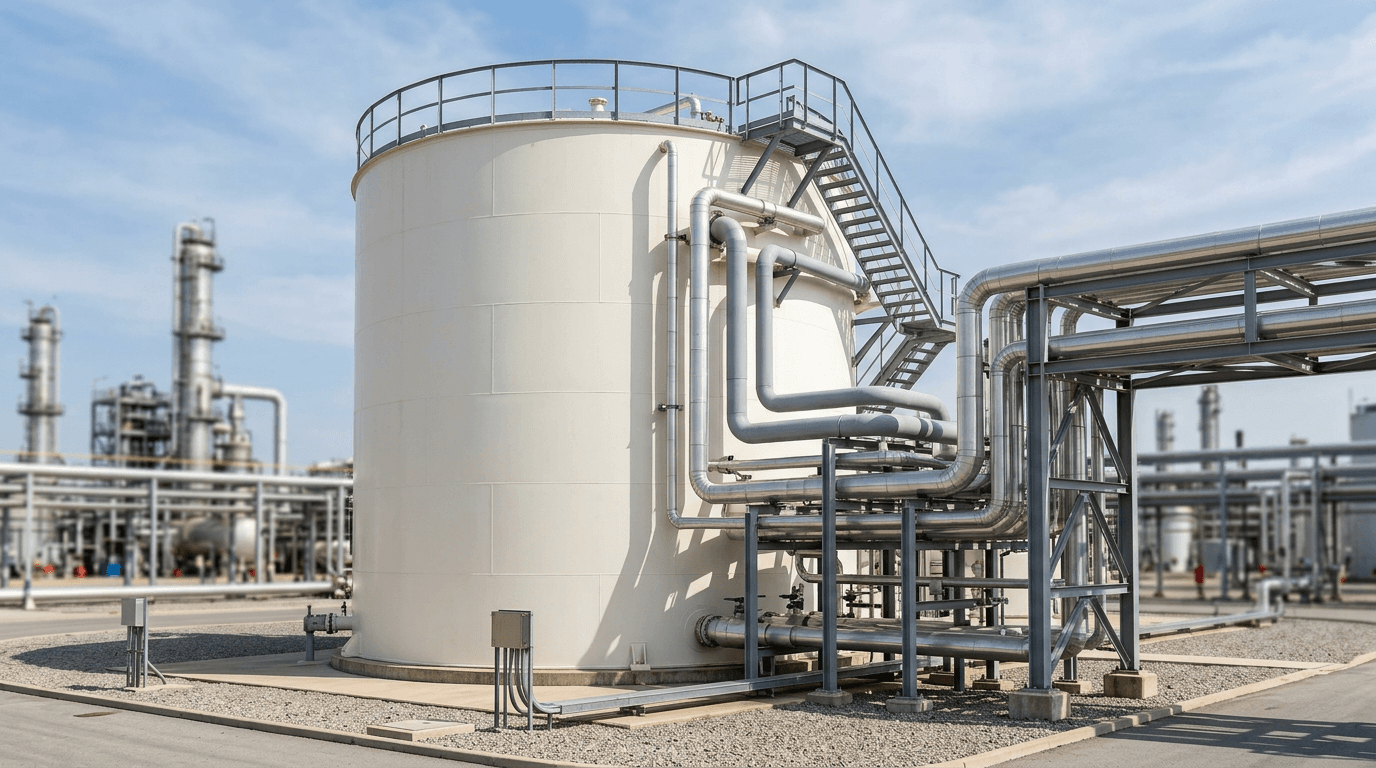
Strait of Hormuz Supply Risk: What Chemical Buyers Should Do Amid Iran Talks Uncertainty
Conflicting statements about Iran negotiations create uncertainty for global chemical procurement teams. The latest Strait of Hormuz supply signals show why buyers should rely on verified logistics data instead of political headlines.
Don't miss out on our updates! Subscribe to our newsletter now
We're committed to your privacy. Tradeasia uses the information you provide to us to contact you about our relevant content, products, and services. For more information, check out our privacy policy.