Industry Context: The Rise of Pyrolysis Recycling
The chemical recycling sector has accelerated over the past decade, driven by regulatory pressure, consumer demand for sustainability, and the need to reduce landfill dependence. Among the technologies that have emerged, pyrolysis recycling stands out for its ability to convert mixed plastic waste into feedstock for new polymers without significant loss of material quality.
ExxonMobil’s Strategic Investment
ExxonMobil is investing $200 million to build two new pyrolysis facilities in Baytown and Beaumont, Texas. These plants will bring the company’s total pyrolysis capacity to 230,000 metric tonnes per year (MT/yr) once the new sites become operational in 2026. The investment reflects ExxonMobil’s commitment to the circular economy and its goal to supply high‑purity recycled resins for key end‑use sectors.
Technology Highlights
- ExxonMobil’s proprietary pyrolysis process achieves high conversion rates and low contaminant levels.
- The new plants will incorporate advanced sorting and pre‑processing to ensure feedstock quality.
- Integration with existing petrochemical infrastructure allows for seamless product blending.
Competitive Landscape
The chemical recycling market is dominated by three major players:
- LyondellBasell’s MoReTec – The world’s largest commercial pyrolysis operation, delivering certified circular resin to automotive and packaging customers.
- BASF’s ChemCycling – A multi‑stage process that combines mechanical sorting with pyrolysis to produce high‑grade feedstock.
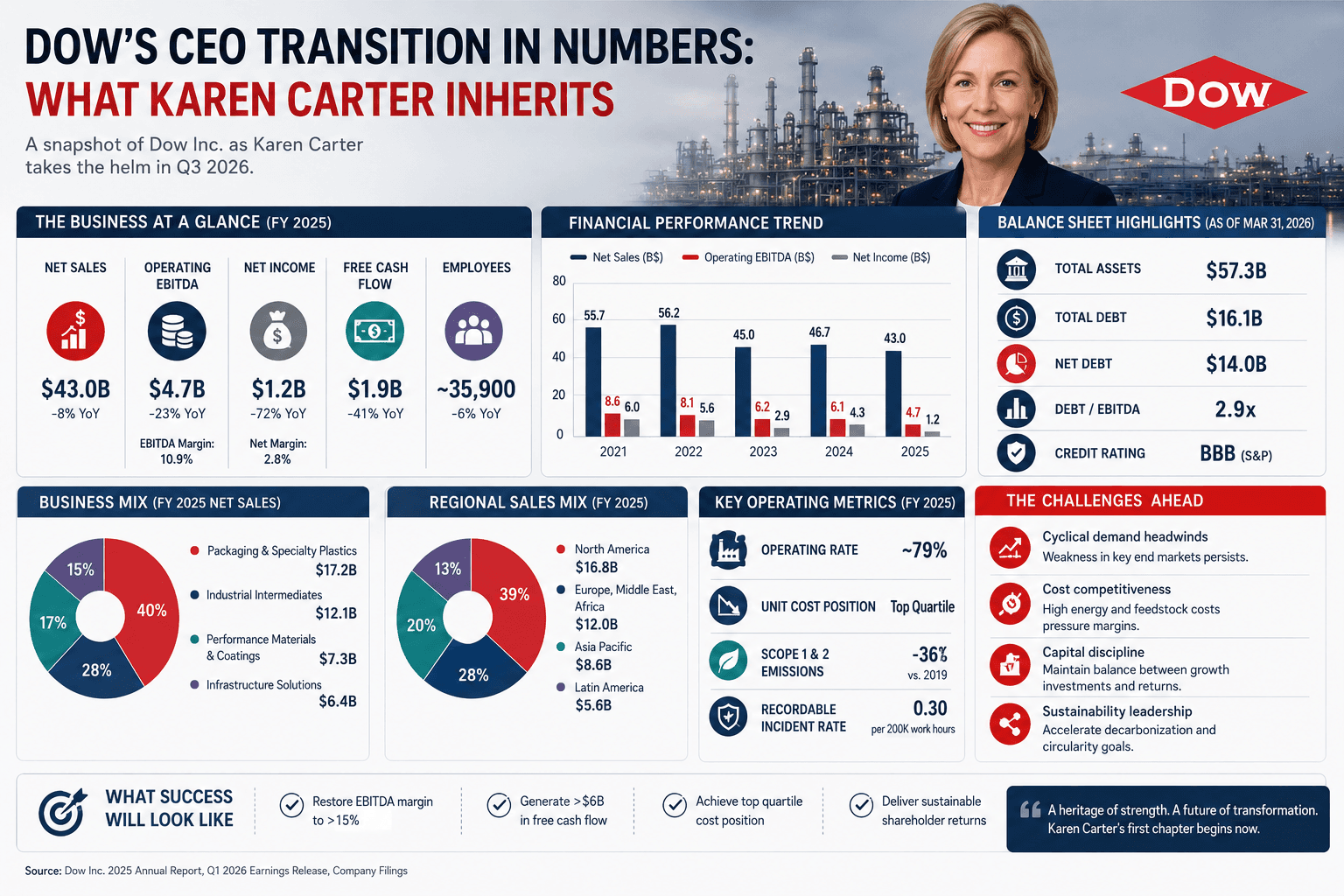
- Dow’s Circular Economy Commitments – A portfolio of projects focused on waste-to-chemical feedstocks and renewable polymers.
With ExxonMobil’s expansion, the sector will see a significant increase in available certified circular resin, moving the industry closer to a fully circular life cycle for plastics.
Implications for Buyers
Recycled polymer buyers, especially in the food packaging and automotive industries, will benefit from larger volumes of high‑quality, certified circular resins. These sectors demand strict compliance with safety standards and traceability, which the new ExxonMobil facilities are designed to meet.
Key Benefits
- Improved supply chain resilience with domestic production capacity.
- Reduced reliance on virgin feedstock, lowering carbon footprints.
- Access to certified circular materials that meet regulatory and consumer expectations.
Future Outlook
By 2026, the combined capacity of ExxonMobil, LyondellBasell, BASF, and Dow is expected to reach a volume that can satisfy a substantial portion of the global demand for recycled polymers. This momentum signals a shift toward mainstream adoption of chemical recycling as a cornerstone of the circular economy.
Industry analysts predict that the next decade will witness a continued expansion of pyrolysis facilities, driven by both public policy incentives and private sector demand for sustainable materials.