

Related Insights
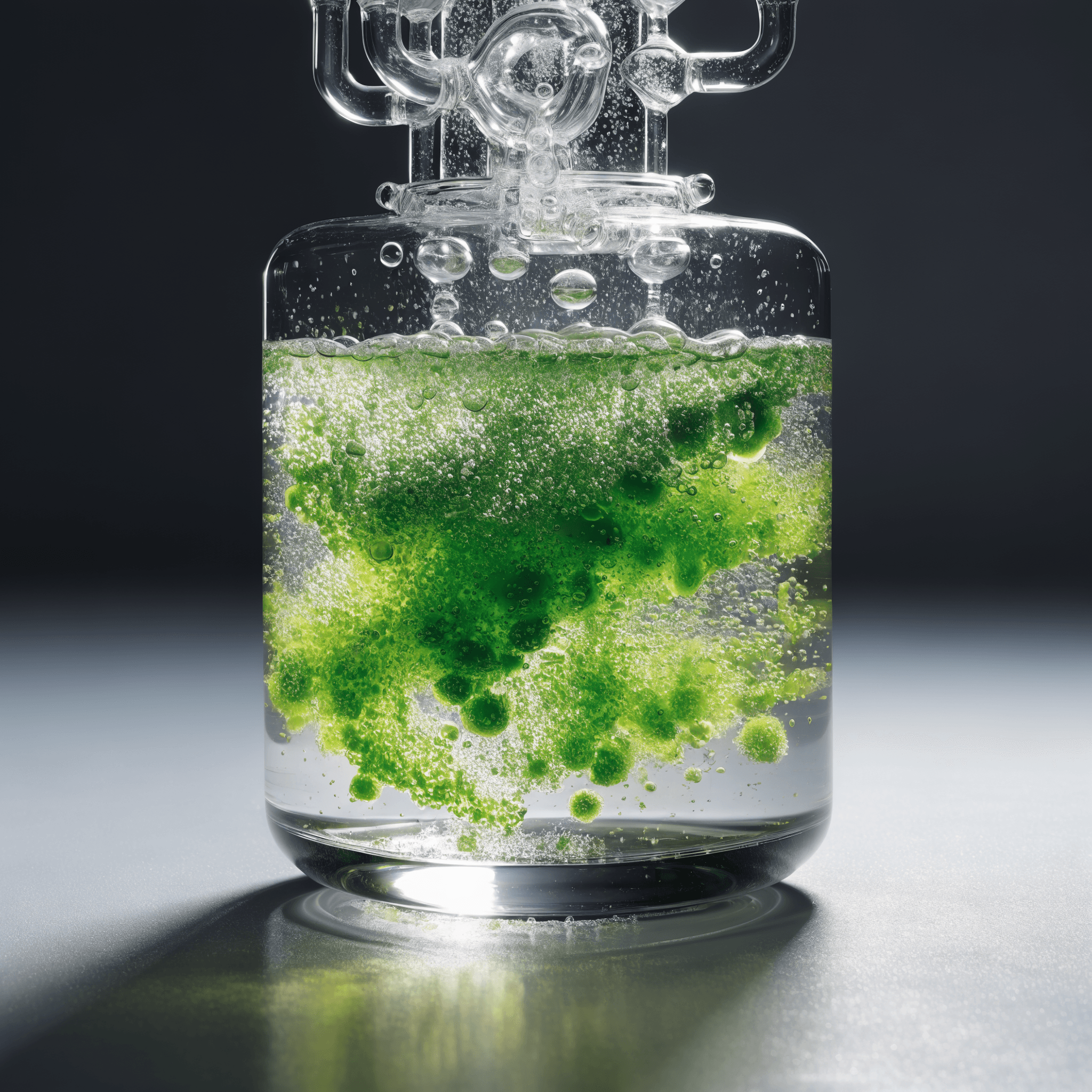
Algal Oil and Marine Bio-Based Ingredients: A Hormuz-Independent Supply Strategy for Food Ingredient Buyers
Fermentation-based marine ingredients such as algal DHA, astaxanthin and beta-glucan offer food manufacturers a more resilient supply chain during periods of global shipping disruption. Procurement teams should understand why production geography matters as much as ingredient performance.

SABIC’s Q3 Supply Calendar: Saudi Export Strategy Sets Global Chemical Prices
SABIC’s Q3 supply calendar has emerged as a key indicator for polymer and chemical flows worldwide, with Ras Tanura’s logistics network playing a pivotal role. The company’s allocation decisions influence pricing, inventory levels, and competitive dynamics across major export markets.
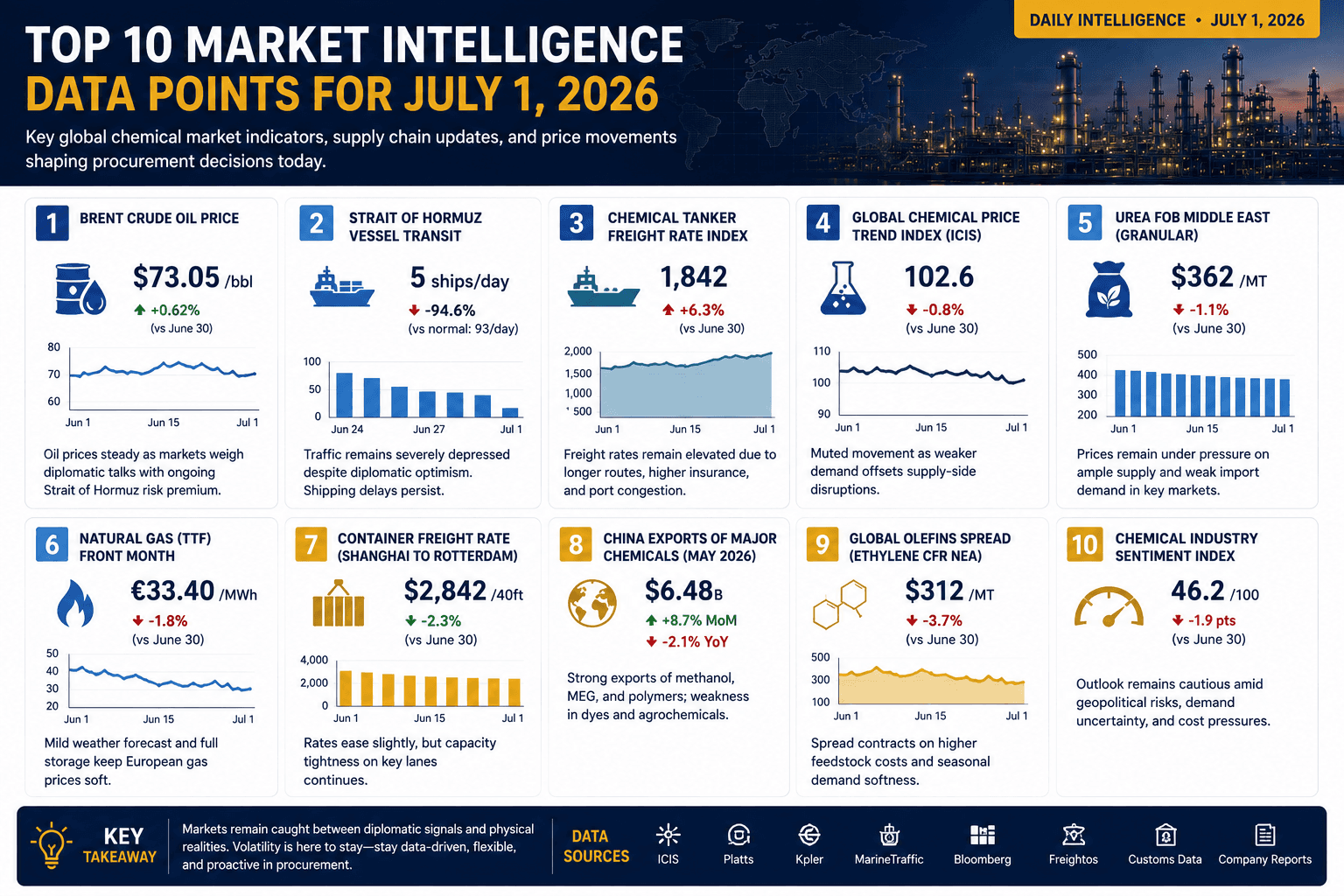
Top 10 Market Intelligence Data Points for July 1, 2026
July 1 begins H2 2026 with conflicting market signals for chemical procurement professionals. While oil prices remain stable and diplomacy improves, shipping disruption, insurance risk, new regulations, and supply chain bottlenecks continue shaping one of the most complex operating environments the chemical industry has faced all year.
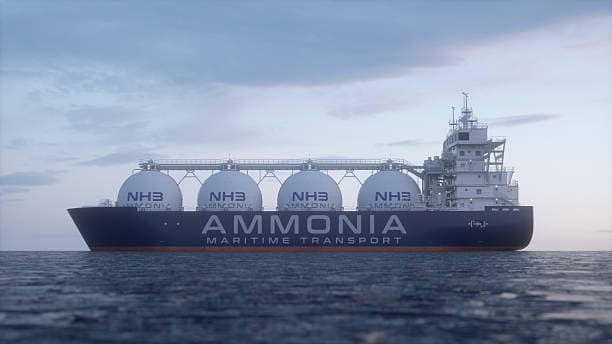
FACT Ammonia Tender 2026: Formula Pricing Sets New Procurement Standard
FACT India’s new 2026 ammonia tender marks a decisive move toward formula‑linked contracts, offering stability in a market plagued by volatile fertilizer prices. This long‑duration deal signals a strategic shift in fertilizer procurement, providing a predictable pricing framework for the next decade.
Petrochemical Outlook Q3 2026: Five Price Variables Every Procurement Manager Must Watch
Petrochemical markets entered Q3 2026 with uncertainty still dominating procurement decisions. From Hormuz shipping recovery to Chinese MTO output and European cracker utilization, five critical variables could reshape chemical prices over the coming months.

Fertilizer Trade Intelligence: How Procurement Teams Should Reprice and Recontract in Q3 2026
Fertilizer buyers face a critical Q3 2026 contracting window as urea prices fall 37%, DAP prices correct, and Hormuz supply recovery begins. Procurement decisions now depend on shipping recovery, China’s export policy, and India’s tariff decisions.
Don't miss out on our updates! Subscribe to our newsletter now
We're committed to your privacy. Tradeasia uses the information you provide to us to contact you about our relevant content, products, and services. For more information, check out our privacy policy.