Overview of the 2026 Agrochemical Landscape
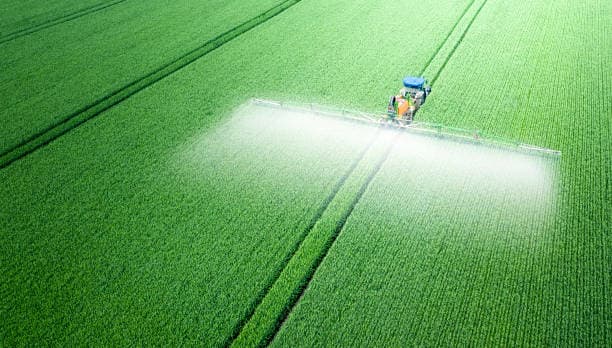
The global crop protection chemicals market is experiencing a period of intense transformation. China remains the world’s leading producer of active ingredients (AIs) for herbicides, fungicides and insecticides, accounting for more than 60% of global supply. At the same time, the European Union is preparing to launch a series of anti‑dumping investigations that could impose tariffs on Chinese imports of crop protection chemicals. These dynamics have the potential to redefine pricing structures, supply chain resilience and entry strategies for manufacturers and distributors worldwide.
China’s Dominance in Active Ingredients
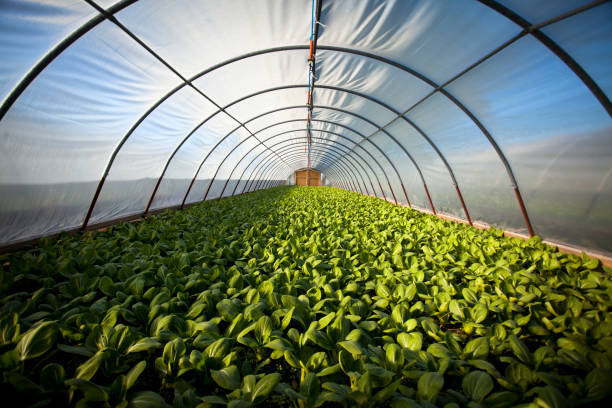
China’s agrochemical sector has invested heavily in research and development, advanced synthesis platforms and cost‑efficient manufacturing processes. The result is a robust pipeline of novel AIs that are both high‑performance and economical. Key advantages include:
Scale of production – Large volume manufacturing reduces per‑unit cost and allows for rapid scaling to meet market demand.
Technology integration – Automation and process optimisation achieve tighter control of purity and yield.
Strategic partnerships – Collaborations with global R&D hubs accelerate technology transfer and product innovation.
Consequently, Chinese suppliers can offer competitive pricing for finished crop protection formulations, making them attractive to buyers in emerging markets and even to some EU‑based manufacturers who rely on these AIs for their own product lines.
EU Anti‑Dumping Investigations in Q3 2026
The European Union’s anti‑dumping regime is designed to protect domestic manufacturers from unfair pricing practices. In Q3 2026, the EU is expected to issue a definitive decision on whether Chinese exporters of herbicides, fungicides and insecticides are engaging in dumping. If tariffs are imposed, the cost of Chinese AIs could rise by 20–30%, reshaping the competitive landscape.
Potential Impacts on Pricing
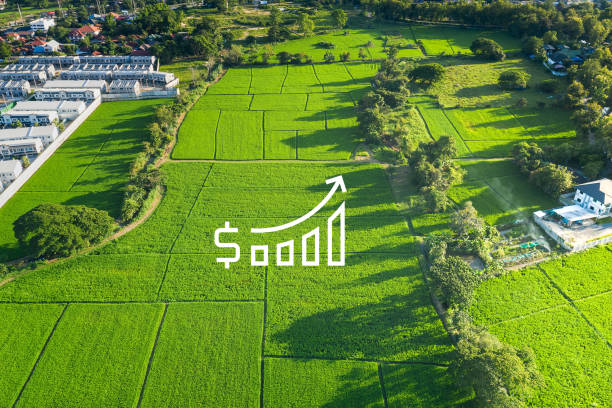
Increased import duties will drive up the landed cost of Chinese‑origin chemicals.
Domestic EU producers may see a temporary price advantage, potentially leading to a shift in market share.
Buyers will face higher procurement costs, which could be passed on to end users or result in margin compression.
Supply Chain Adjustments
Manufacturers and distributors will need to reassess their sourcing strategies. Options include:
Diversifying suppliers – Engaging with alternative AIS producers in North America, Brazil or India.
Vertical integration – Investing in in‑house AI production to reduce reliance on imports.
Strategic stockpiling – Building inventory buffers ahead of potential tariff announcements.
Strategic Opportunities for Agrochemical Companies
Despite the challenges posed by anti‑dumping measures, several opportunities emerge for companies that can navigate the new regulatory environment:
Innovation in formulation – Developing formulations that reduce AI content or use alternative active compounds can mitigate tariff exposure.
Regulatory compliance programs – Early engagement with EU customs and trade authorities helps secure compliance certifications and avoid delays.
Co‑development partnerships – Collaborating with local EU manufacturers to co‑develop products can share risk and accelerate market entry.
Preparing for a Dynamic Market
The intersection of China’s AI dominance and the EU’s anti‑dumping policy represents a pivotal moment for the crop protection chemicals market in 2026. Companies that proactively align their sourcing, compliance and innovation strategies with these evolving dynamics will be better positioned to sustain growth, manage costs and maintain competitive advantage in a rapidly changing global landscape.
Sodium Dihydrogen Phosphate (SDP) (99,5%) - China CAS: 7558-80-7