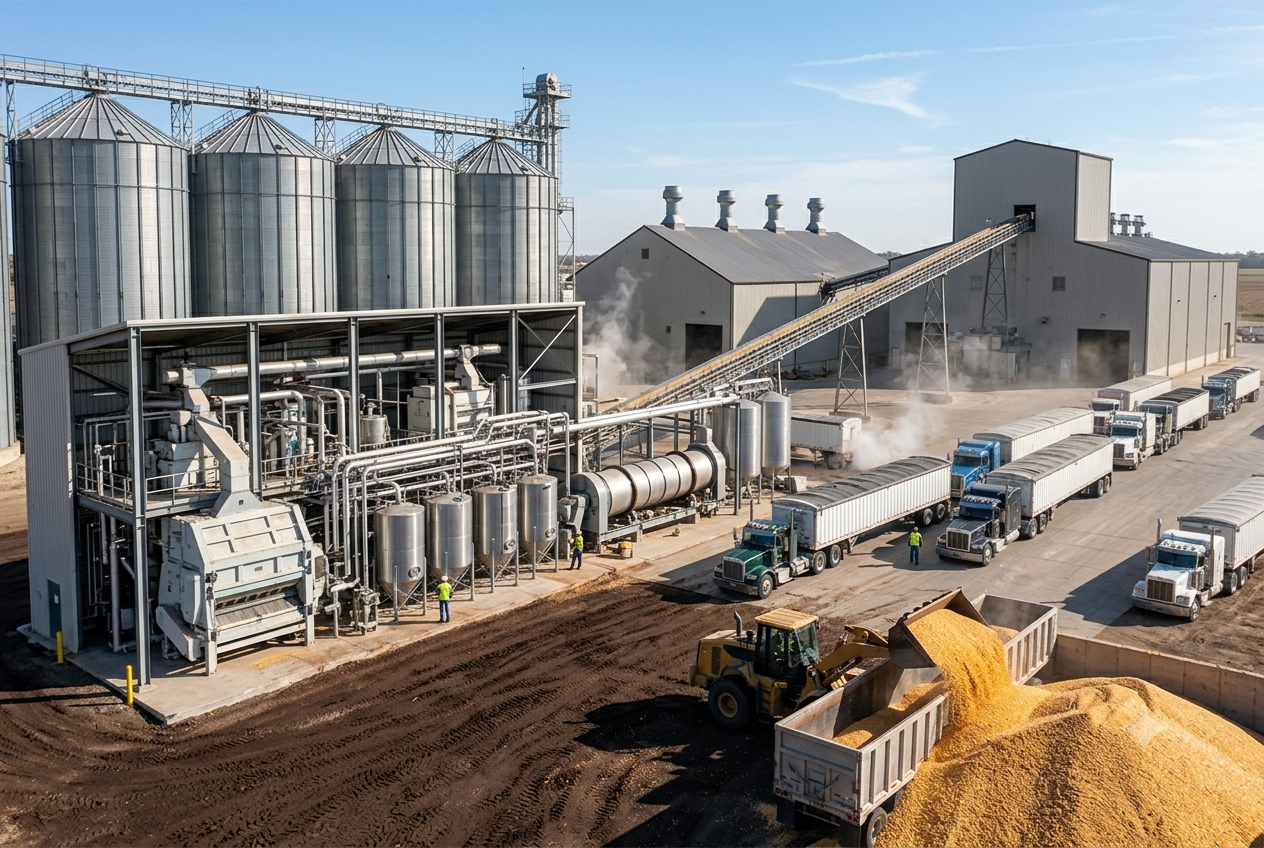
The most important data point for food ingredient buyers this month may not come from chemical markets or freight indices. It comes from US corn fields.
As the US corn crop enters its critical silking and pollination phase in late June 2026, weekly USDA crop condition reports are providing the first reliable signals for second-half pricing across a wide range of food ingredients. Current conditions broadly align with historical trend years, reducing concerns about a weather-driven spike in corn-based ingredient costs. Combined with easing freight costs and lower crude oil prices, the outlook for starches, glucose products and their derivatives has improved compared with expectations earlier in the year.
For procurement teams, the coming weeks will play a major role in shaping purchasing strategies for the remainder of 2026.
Why Corn Matters to the Food Ingredient Industry
Corn sits at the center of numerous global food ingredient supply chains.
While many buyers focus on finished ingredients, the economics of corn production influence a broad range of downstream products used by food, beverage and nutritional manufacturers.
Key corn-derived ingredients include:
Corn starch.
Glucose syrup.
Dextrose.
Maltodextrin.
Sorbitol.
Modified starches.
Fermentation feedstocks.
Because these products share a common agricultural foundation, corn crop performance often becomes a leading indicator for ingredient pricing trends.
The Importance of Silking and Pollination
Late June and early July represent one of the most critical periods in the US corn growing season.
During silking and pollination, crop development becomes highly sensitive to weather conditions. Excessive heat, drought stress or adverse weather can significantly influence yield potential.
For commodity markets, this stage receives intense attention because it provides one of the earliest reliable indicators of harvest outcomes.
Current USDA crop condition reports suggest:
Crop health remains broadly consistent with trend-year performance.
Major yield concerns have not emerged.
Supply risks remain manageable.
The probability of a severe production shortfall appears reduced.
These factors contribute to a more stable outlook for corn-dependent ingredient markets.
Why Current USDA Data Matters for H2 Pricing
Food ingredient procurement often requires decisions months before actual consumption occurs.
Buyers purchasing for the fourth quarter need early signals regarding raw material availability and cost direction. USDA crop condition reports provide one of the most valuable forecasting tools available during this stage of the season.
The current outlook suggests:
Lower risk of a corn-driven ingredient price spike.
Greater confidence in supply availability.
Reduced urgency for defensive purchasing.
Improved visibility into second-half budgeting.
This does not guarantee lower prices. However, it significantly reduces one of the largest sources of uncertainty facing ingredient buyers earlier this year.
Corn Starch Markets Appear More Stable
Corn starch remains one of the most widely used ingredients across food manufacturing.
Applications range from bakery products and confectionery items to sauces, beverages and processed foods.
When corn prices rise sharply, starch producers often face pressure to pass increased costs through the value chain.
Current crop conditions suggest a different scenario.
Several supportive factors are emerging:
Stable corn production expectations.
Improved freight market conditions.
Lower energy costs.
Reduced panic buying activity.
Better supply chain visibility.
Together, these developments point toward a more balanced starch market through the second half of 2026.
Glucose and Dextrose Buyers Gain Additional Confidence
Glucose syrup and dextrose markets closely follow developments in corn processing economics.
These ingredients play essential roles in:
Beverage manufacturing.
Confectionery production.
Dairy applications.
Nutritional products.
Pharmaceutical formulations.
Because glucose production depends heavily on corn availability, favorable crop conditions help reduce concerns about significant cost escalation.
Buyers may find it easier to negotiate forward supply agreements when raw material risk remains under control.
Chinese Export Prices Remain Competitive
China continues to play a major role in global starch and sweetener markets.
Export pricing for corn starch and related derivatives remains competitive compared with many alternative sources. However, transportation costs have limited some of that advantage during recent months.
Chinese exports remain particularly important for:
Maltodextrin.
Dextrose.
Sorbitol.
Corn starch.
Functional carbohydrate ingredients.
While product pricing has remained attractive, elevated freight costs have increased delivered prices across South and Southeast Asian markets.
That dynamic may now be changing.
Lower Crude Prices Are Improving Freight Economics
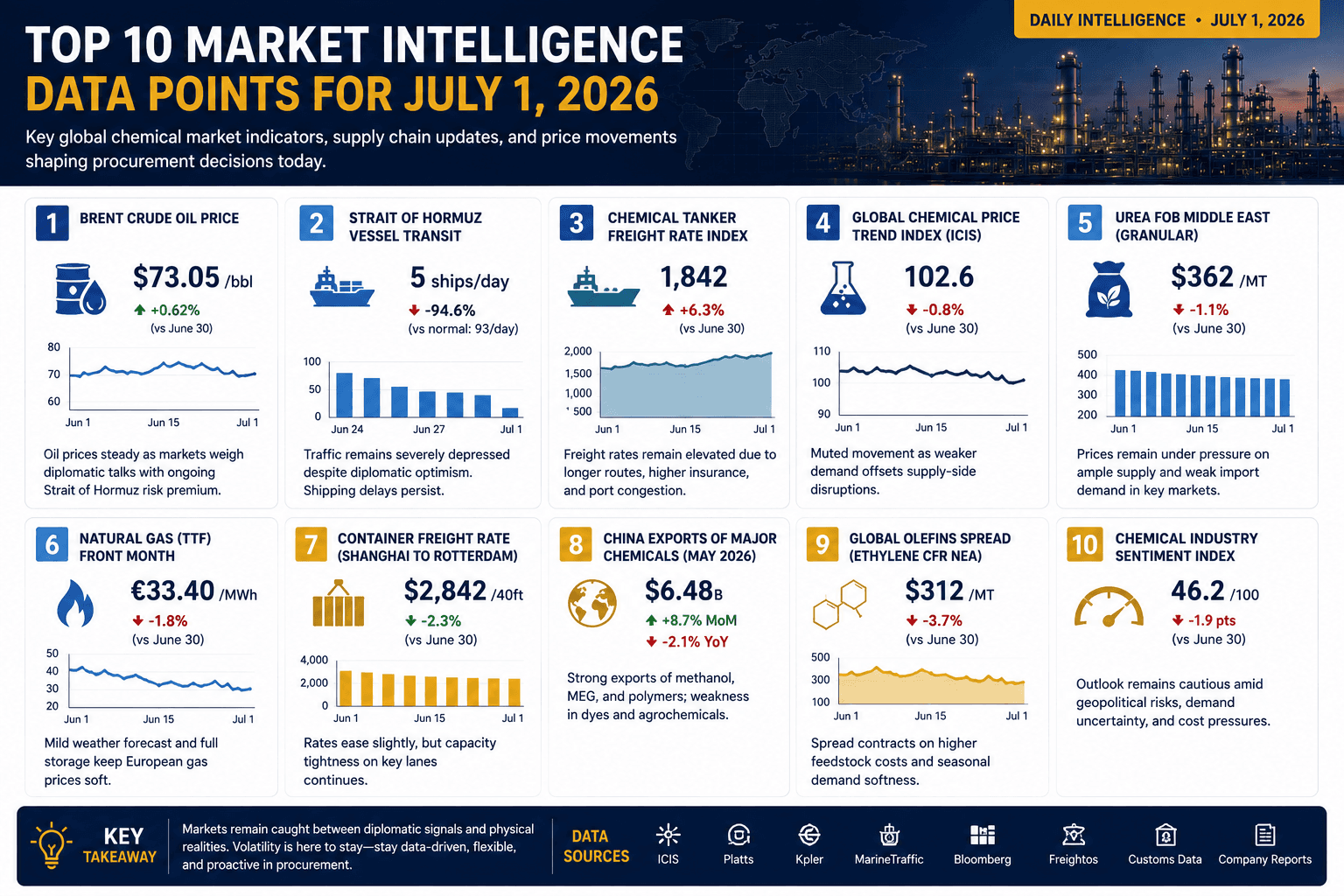
Freight has been one of the biggest obstacles preventing lower delivered ingredient costs during 2026.
Although commodity pricing remained relatively competitive in some exporting regions, transportation expenses increased sharply during the Hormuz crisis.
The recent decline in crude oil prices below $80 per barrel changes the outlook.
Lower bunker fuel costs generally create:
Reduced shipping expenses.
More competitive container freight rates.
Improved landed cost economics.
Better opportunities for importers to negotiate pricing.
Importantly, freight relief does not happen immediately.
Spot freight markets typically respond within two to three weeks, while contract freight rates often require four to eight weeks before meaningful adjustments appear.
What This Means for Maltodextrin and Sorbitol Markets
Maltodextrin and sorbitol occupy a unique position within the ingredient value chain.
Both products depend on corn processing economics while also carrying meaningful transportation costs due to their bulk shipping characteristics.
As a result, these ingredients may benefit from improvements on two fronts:
Stable corn supply expectations.
Lower freight-related costs.
This combination creates a more favorable environment than buyers faced during the first half of the year.
Procurement teams should monitor supplier quotations closely during July and August as freight adjustments begin filtering through the market.
Risks That Could Still Affect the Outlook
While conditions have improved, several uncertainties remain.
Potential market risks include:
Adverse weather during the remainder of the growing season.
Unexpected yield deterioration.
Geopolitical disruptions affecting logistics.
Container shipping bottlenecks.
Energy market volatility.
The current outlook is constructive, but procurement teams should continue monitoring both agricultural and logistics indicators.
Markets can change quickly during critical crop development periods.
Procurement Strategies for H2 2026
The combination of stable crop conditions and improving freight economics creates an opportunity for disciplined purchasing strategies.
Buyers should consider:
Reviewing fourth-quarter ingredient requirements.
Negotiating freight-linked pricing adjustments.
Monitoring weekly USDA reports.
Benchmarking supplier quotations across regions.
Evaluating forward purchase opportunities where appropriate.
Organizations that combine agricultural intelligence with logistics monitoring will be best positioned to capture emerging cost advantages.
Looking Ahead to the Harvest Season
The next several weeks will determine whether current optimism remains justified.
If crop conditions continue tracking near trend levels through pollination and grain fill stages, the market may avoid the significant raw material inflation that many buyers feared earlier in the year.
Combined with easing freight costs, this would support a more favorable environment for starches, glucose products and derivative ingredients throughout the remainder of 2026.
For food manufacturers and ingredient importers, that would represent a welcome shift after months of supply chain volatility and elevated logistics expenses.
What Buyers Should Do Now
Current USDA crop condition data suggests the risk of a corn-driven food ingredient price spike has diminished considerably. At the same time, falling crude oil prices are creating the first meaningful opportunity for freight cost relief since early 2026.
For buyers dependent on US and Chinese-origin starches, glucose products, maltodextrin, dextrose and sorbitol, the overall cost environment is moving in a more favorable direction. While uncertainties remain, the balance of indicators currently points toward greater stability rather than renewed inflation pressure.
Procurement teams that actively monitor crop development, freight trends and supplier pricing during the next six to eight weeks will be best positioned to secure competitive supply arrangements for the remainder of the year.
Corn Starch CAS: 9005-25-8