
Aluminium Sulfate CAS: 7784-31-8

Simultaneous threats to the Hormuz and Bab el-Mandeb choke points could ripple through global shipping and chemical supply chains, demanding urgent resilience measures. This article examines the risks, impacts, and strategies to mitigate disruption.

The withdrawal of P&I insurance during the earlier Hormuz disruption sparked discussion about government-backed insurance solutions for commercial shipping. Chemical procurement and compliance teams should understand how future insurance frameworks could influence freight costs and supply chain resilience.

The Red Sea shipping crisis remains one of the defining structural constraints on global chemical logistics. Even as Gulf shipping gradually recovers, Asia–Europe freight cannot return to pre-crisis economics while the Red Sea remains an active security concern.

The Hormuz crisis disrupted nearly 45% of global sulfur supply as Gulf refinery by-product exports collapsed for months. With vessel movement now improving, sulfur and sulfuric acid buyers may finally see the first meaningful cost relief in August after one of 2026’s most overlooked supply chain disruptions.
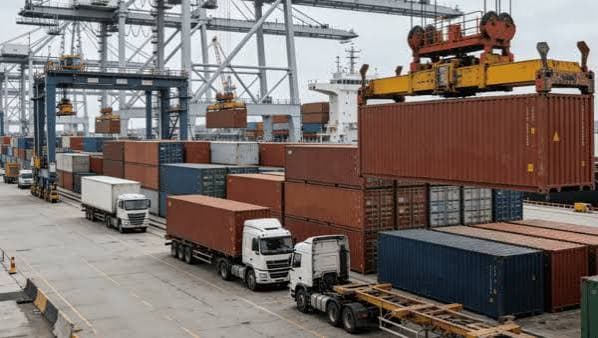
The July 1 bunker adjustment factor reset marks the first measurable freight cost relief for food ingredient buyers since the 2026 shipping crisis began. Procurement teams importing under CIF or CFR terms should use this week’s freight surcharge reduction as leverage to renegotiate H2 supplier pricing.
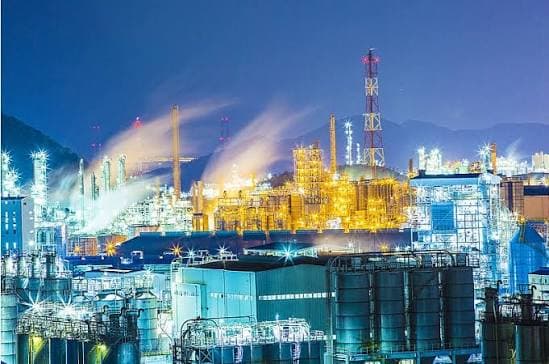
South Korea's petrochemical industry closes H1 2026 after experiencing the most extensive force majeure declarations of any major chemical-producing nation during the Hormuz disruption. As feedstock supplies recover, buyers and suppliers are shifting their focus toward contract resumption and Q3 delivery planning.
We're committed to your privacy. Tradeasia uses the information you provide to us to contact you about our relevant content, products, and services. For more information, check out our privacy policy.