
Calcium Propionate (E282) CAS: 4075-81-4
Calcium Propionate (E282) CAS: 4075-81-4

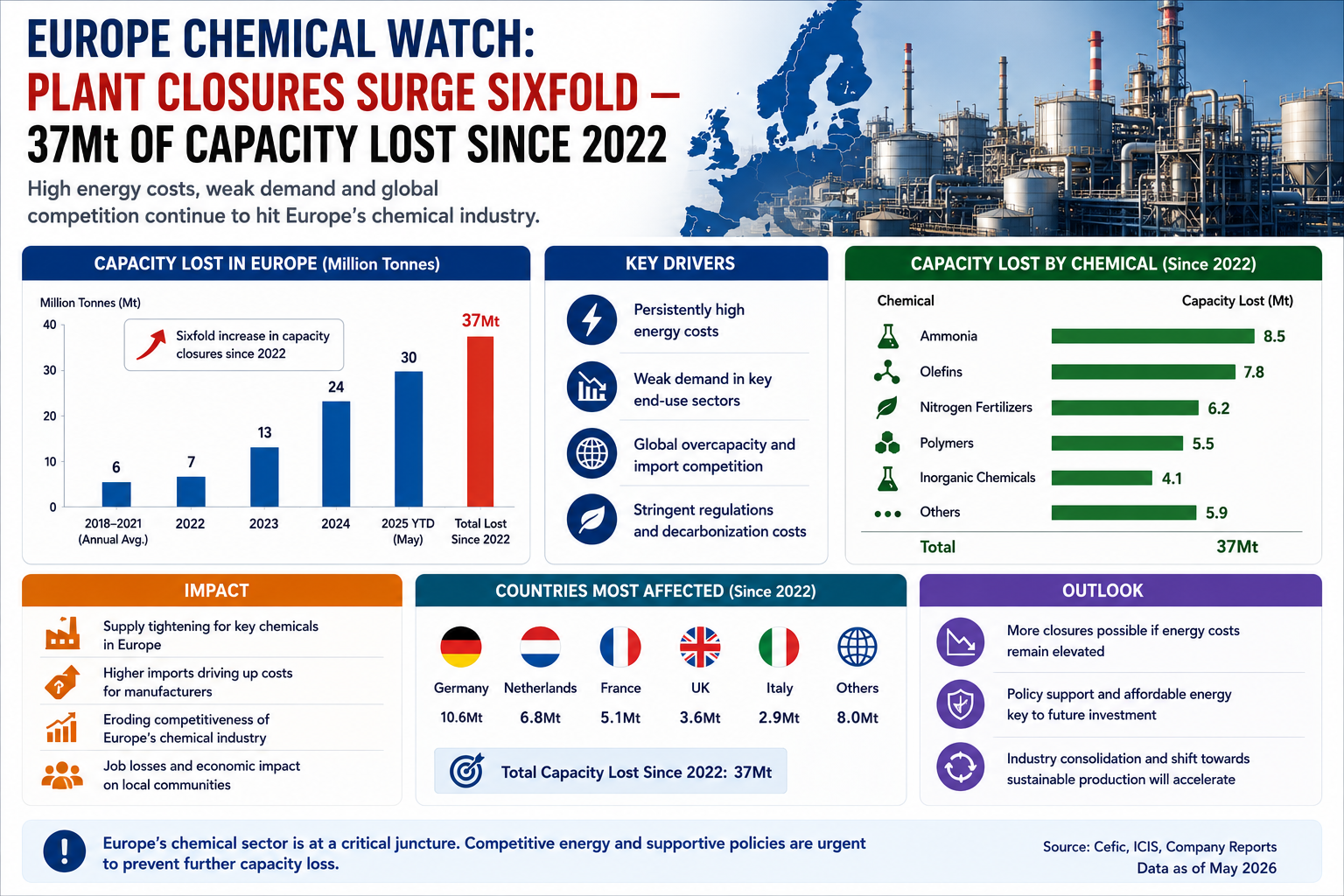
PVC buyers increasingly face supply chain risks that extend beyond simple price fluctuations. This analysis examines how prolonged disruptions at a major Gulf petrochemical hub could influence global PVC availability, sourcing strategies and procurement decisions over the coming years.
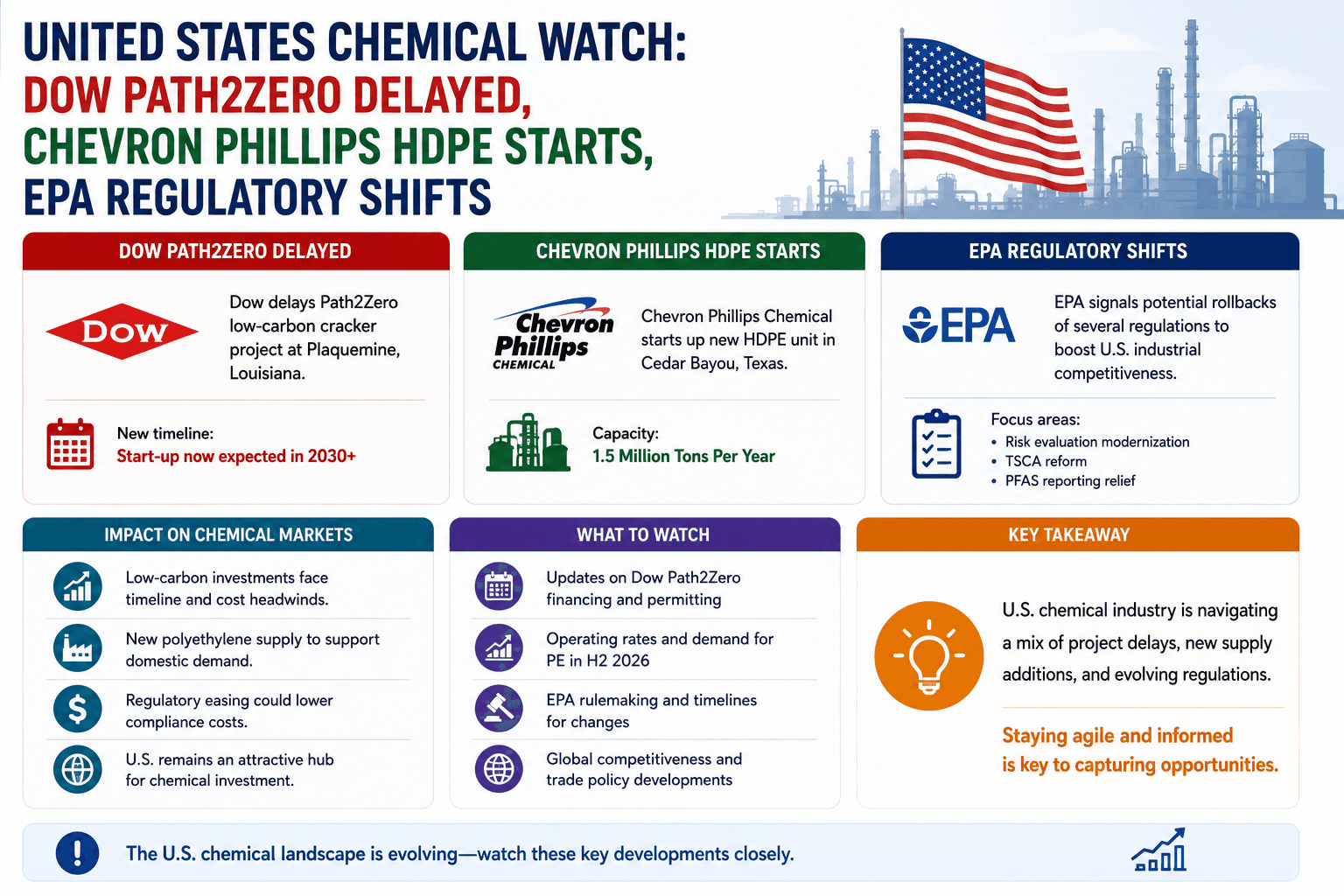
China's rapid expansion of PTA and PX capacity has reshaped the global polyester supply chain entering Q3 2026. While Gulf PX supply gradually returns, Chinese overcapacity continues to pressure export prices, creating new opportunities and challenges for buyers across Asia.

Green ammonia projects across the Gulf have been delayed following the Hormuz crisis, pushing major timelines into 2027–2028. For long-term hydrogen buyers, the disruption strengthens the case for diversifying supply beyond the Gulf into Europe, Africa, and Australia.
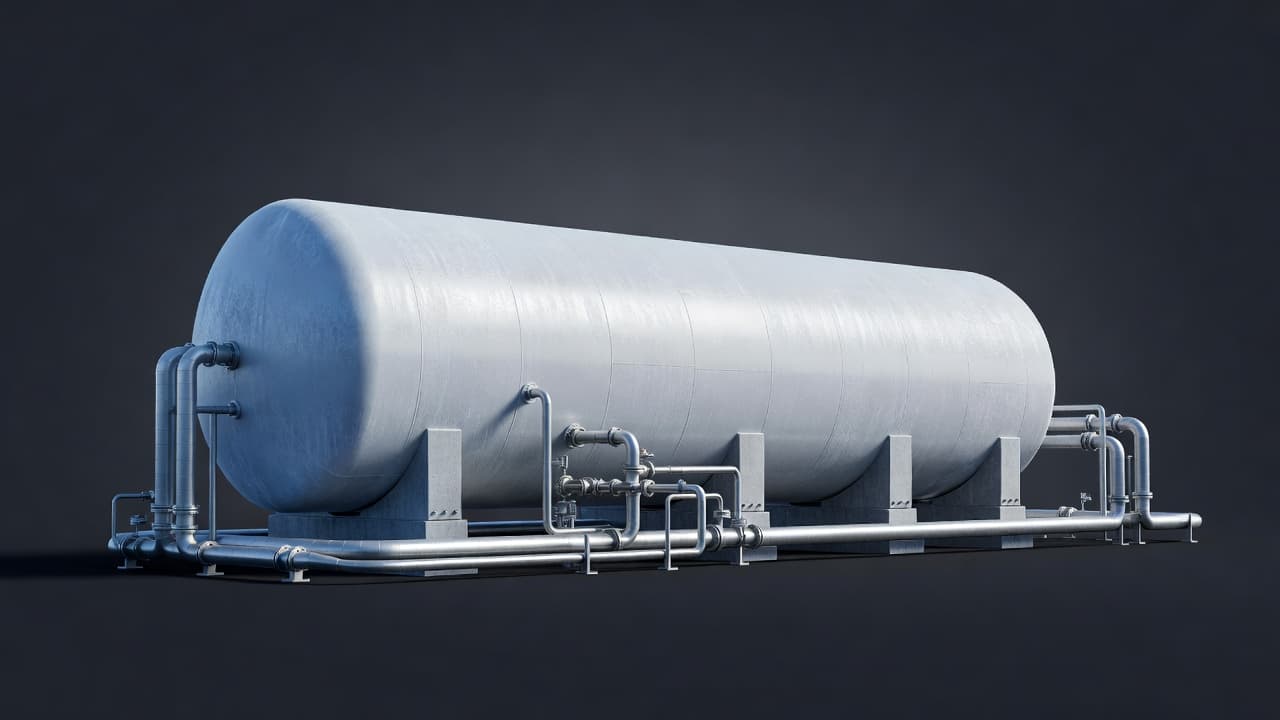
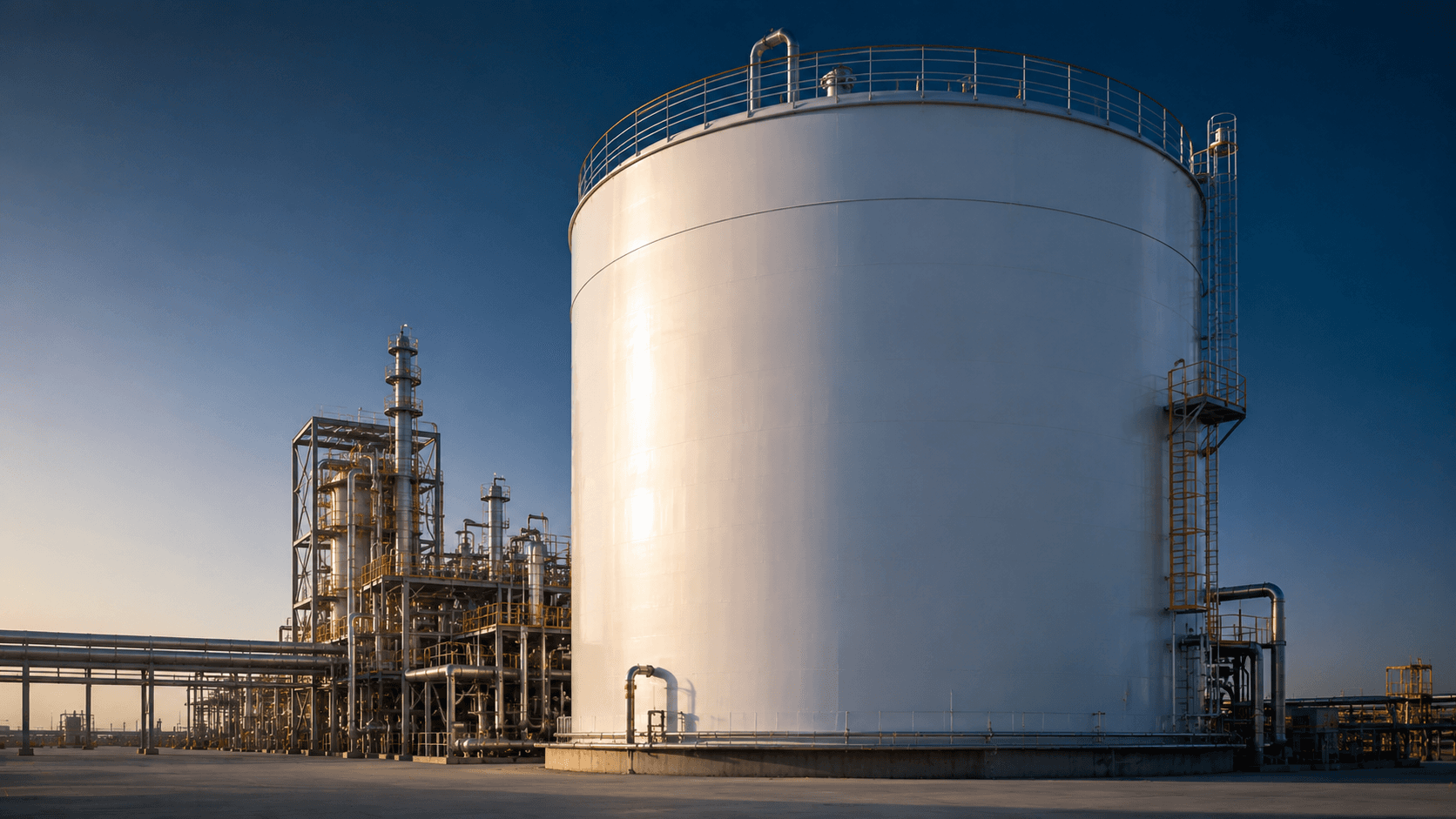
US ethane export capacity is expanding as Enterprise Products develops new Gulf Coast infrastructure, creating new supply options for Asian ethylene producers. The shift could reduce long-term dependence on traditional naphtha-based feedstock routes.
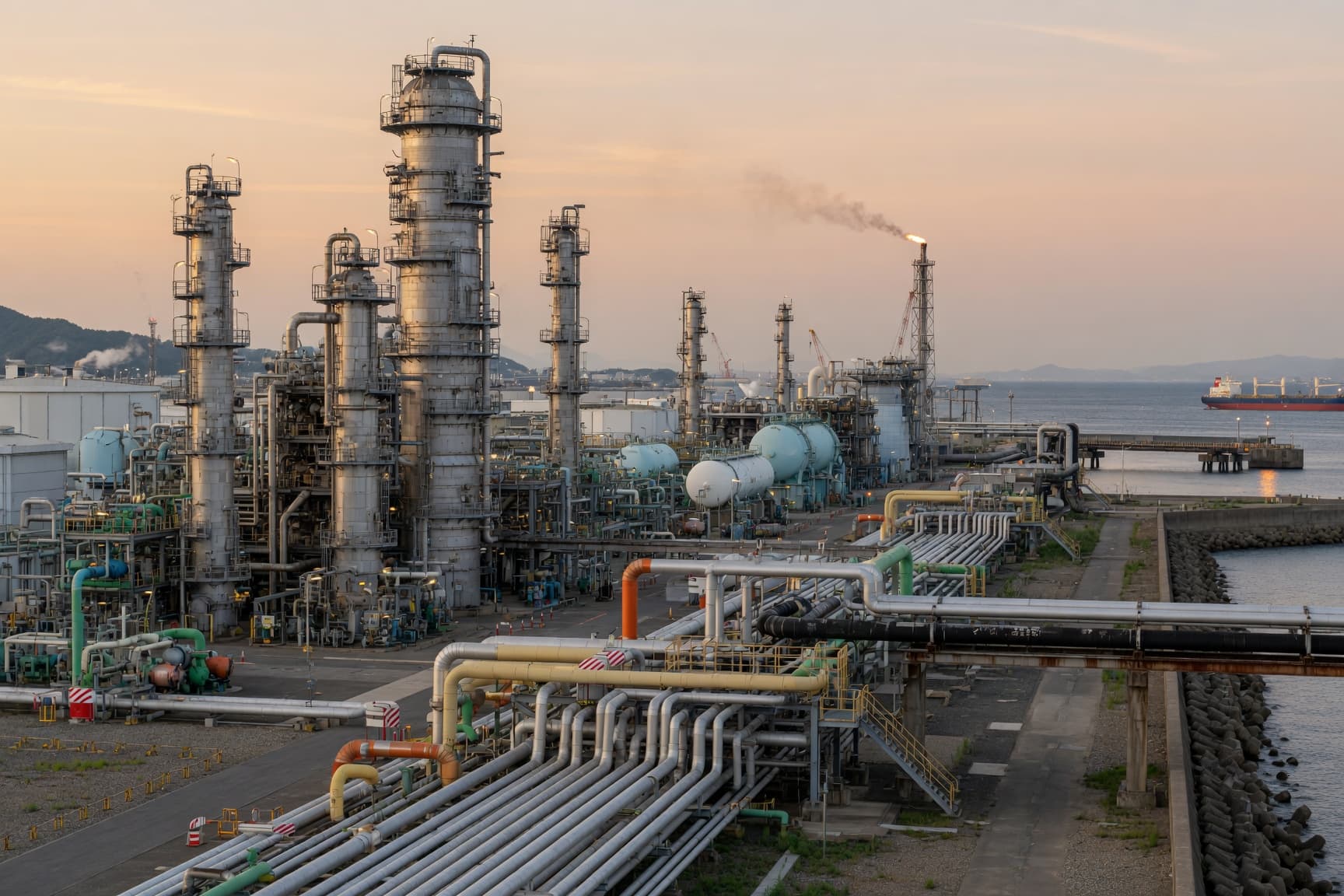
Japan’s petrochemical sector is facing major feedstock pressure as naphtha cracker utilization falls sharply after supply disruptions. Buyers and producers are increasingly evaluating bioethanol-based alternatives and circular economy strategies for future chemical production.

Methanol futures have reached their highest level since 2021 as Hormuz supply disruptions tighten global availability. Procurement teams must evaluate pricing, sourcing strategies and contract timing as market uncertainty continues into 2027.
We're committed to your privacy. Tradeasia uses the information you provide to us to contact you about our relevant content, products, and services. For more information, check out our privacy policy.