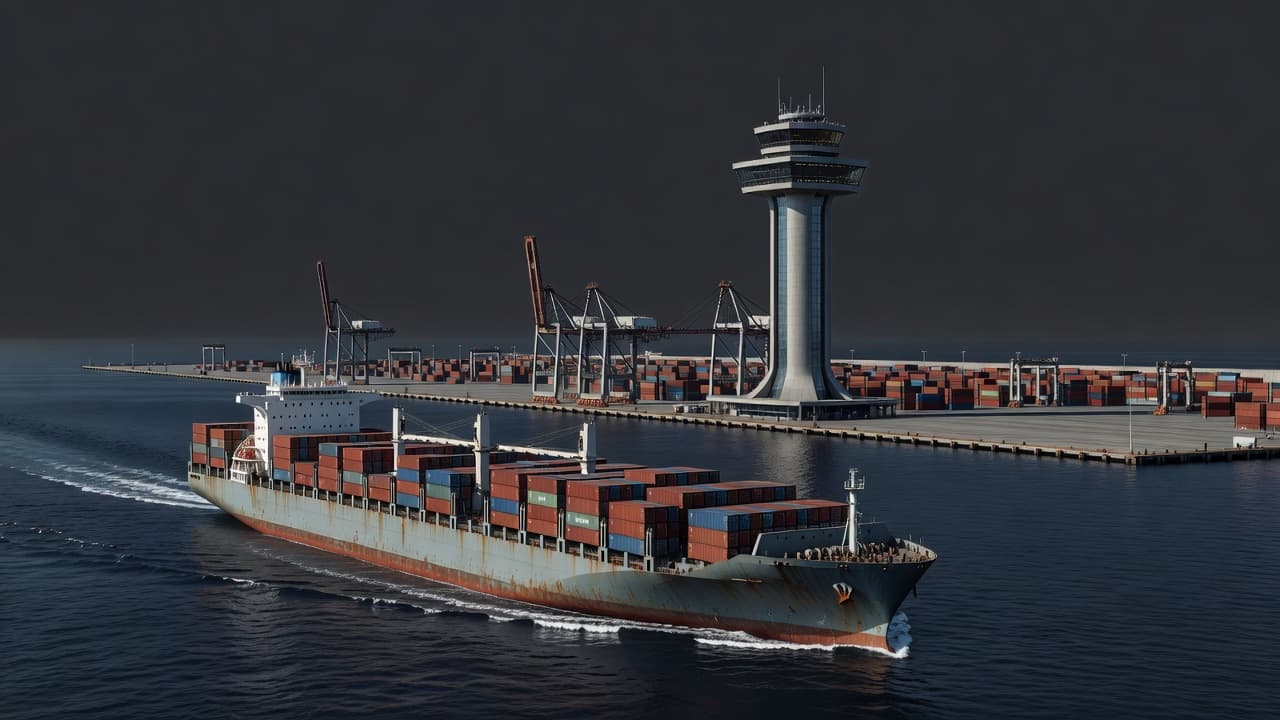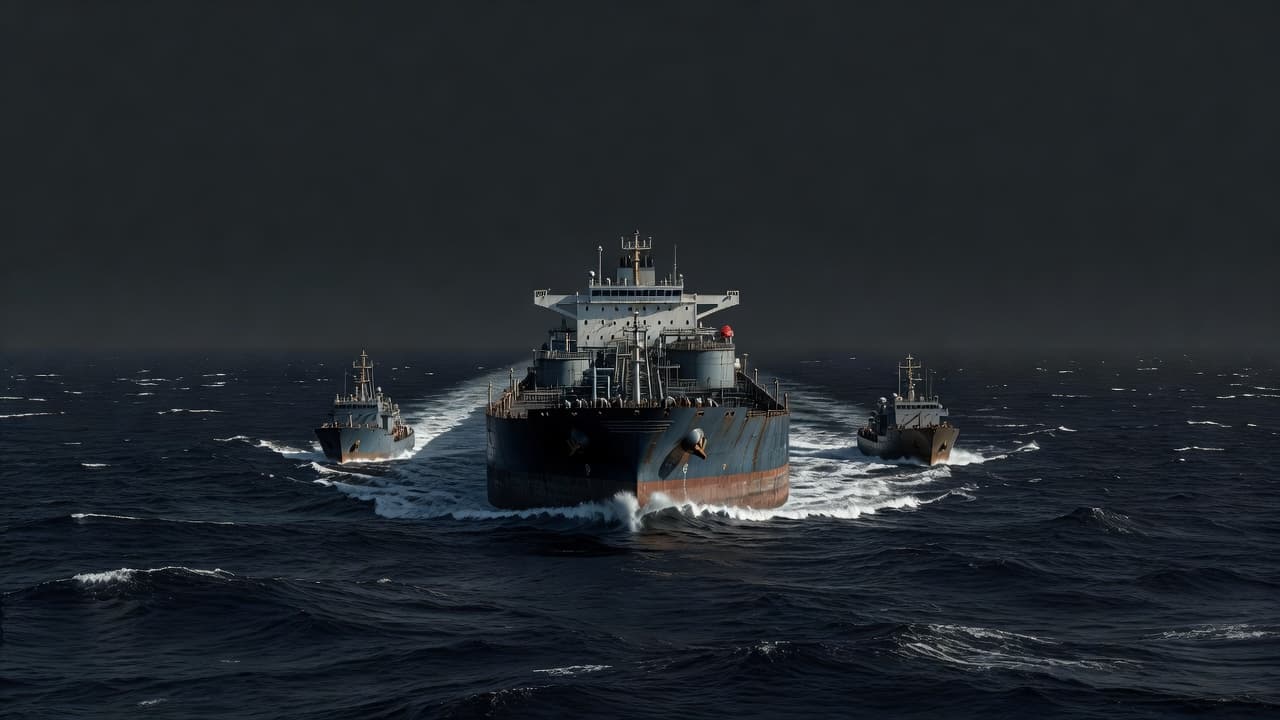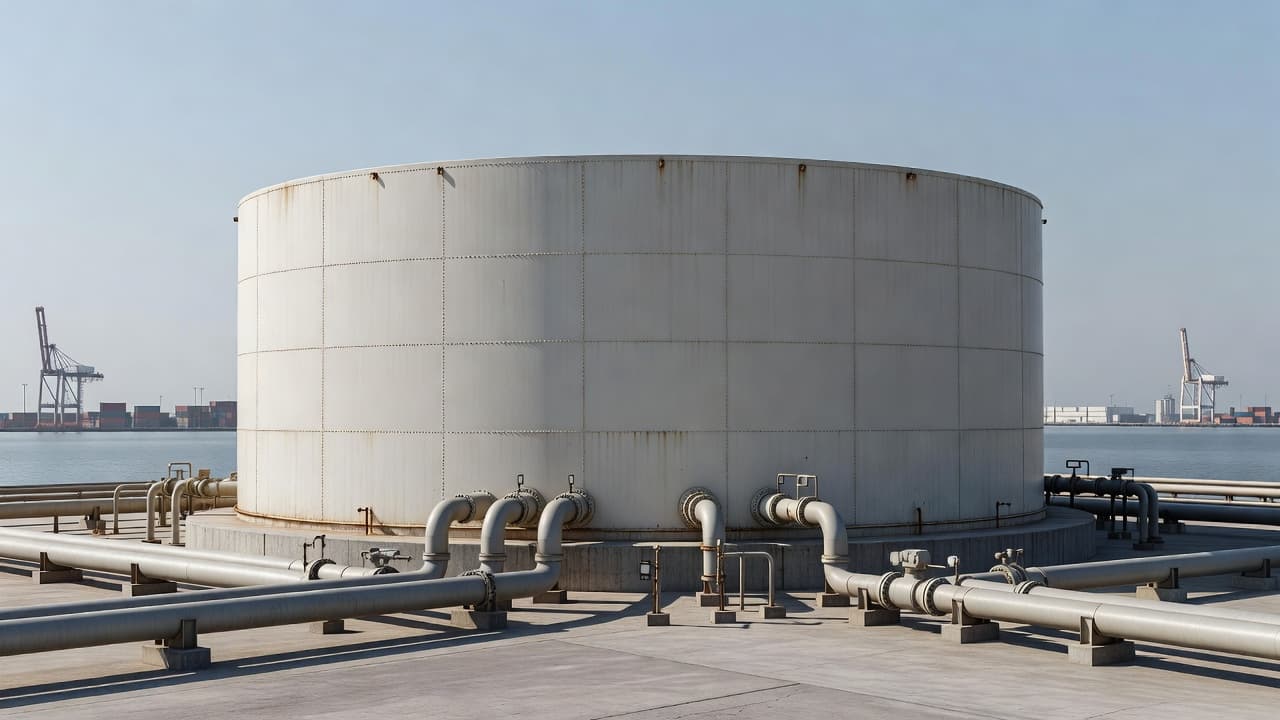

The global chemical shipping market has entered a new phase of risk management. Following recent attacks on commercial vessels, war-risk insurance premiums for ships transiting the Strait of Hormuz have risen to nearly eight times their pre-crisis levels, fundamentally changing the economics of international chemical transportation.
For exporters and importers of specialty chemicals, insurance has become just as important as freight costs. Several Protection and Indemnity (P&I) clubs have suspended coverage for certain Hormuz transits, forcing shippers to explore alternative routes, negotiate new insurance arrangements, and reassess contractual responsibilities under international trade terms.

Why War-Risk Insurance Matters
Marine cargo insurance normally protects goods against common transport risks.
War-risk insurance provides additional protection against:
Armed conflict
Missile attacks
Naval incidents
Terrorism-related damage
Political violence
When conflict risks increase, insurers either raise premiums significantly or suspend coverage altogether.
For many chemical shipments, obtaining adequate insurance has become increasingly difficult.
Understanding P&I Clubs
Protection and Indemnity (P&I) clubs provide mutual marine liability insurance for shipowners and operators.
Coverage typically includes:
Third-party liabilities
Environmental damage
Cargo-related liabilities
Crew claims
Pollution incidents
The withdrawal of several P&I clubs from certain Hormuz voyages reduces the number of available insurance providers and increases pricing pressure across the shipping market.
Hydrogen Peroxide (35%) - Thailand CAS: 7722-84-1
The Impact on Specialty Chemical Logistics
Liquid specialty chemicals are commonly transported using:
Isotanks
Designed for bulk transportation of hazardous and non-hazardous liquid chemicals.
Flexitanks (Flexibags)
Used inside standard shipping containers for transporting non-hazardous liquid chemicals economically.
Both shipping methods depend on reliable marine insurance before cargo can move under many international contracts.
As insurance availability declines, logistics planning becomes more complex.
Why Cape of Good Hope Routing Remains Preferred
Many carriers continue choosing the Cape of Good Hope instead of the Strait of Hormuz.
Advantages include:
Lower security risk
Better insurance availability
Reduced exposure to conflict zones
Disadvantages include:
Longer transit times
Higher fuel consumption
Increased freight costs
Extended delivery schedules
Despite higher transportation expenses, many shippers consider this route the lower-risk option.
CIF and CIP Buyers Should Verify Insurance
Companies purchasing chemicals under CIF (Cost, Insurance and Freight) or CIP (Carriage and Insurance Paid To) terms should not assume adequate war-risk protection is included.
Buyers should request written confirmation covering:
Current P&I club status
War-risk insurance availability
Coverage limits
Alternative insurance arrangements
Routing plans
Early verification helps reduce unexpected shipment delays and financial exposure.
Aluminium Nitrate CAS: 7784-27-2
Procurement Strategy for Q3 2026
Chemical buyers should strengthen logistics planning by:
Confirming marine insurance before shipment.
Reviewing supplier P&I coverage regularly.
Considering alternative shipping routes.
Evaluating Incoterm responsibilities.
Diversifying sourcing regions where practical.
Building additional inventory for critical materials.
Risk management is becoming a core element of procurement alongside pricing and product quality.
Market Outlook
Even as some regional shipping conditions improve, marine insurance markets remain cautious. Premiums are expected to stay elevated until geopolitical risks decline and insurers regain confidence in transit safety.
For specialty chemical companies, the focus has shifted from finding the cheapest freight option to securing reliable transportation supported by comprehensive insurance coverage. Buyers that actively review insurance arrangements, shipping routes, and contractual obligations will be better positioned to manage supply chain disruptions during the remainder of 2026.
Key Takeaways
War-risk insurance premiums are approximately eight times higher than pre-crisis levels.
Several P&I clubs have withdrawn coverage for certain Hormuz transits.
Isotank and flexitank chemical shipments face higher insurance costs.
Cape of Good Hope routing remains the preferred lower-risk alternative.
CIF and CIP buyers should verify their seller's war-risk insurance coverage.
Marine insurance availability has become a major procurement consideration.
Supply chain resilience now depends on both logistics planning and insurance security.