

Related Insights
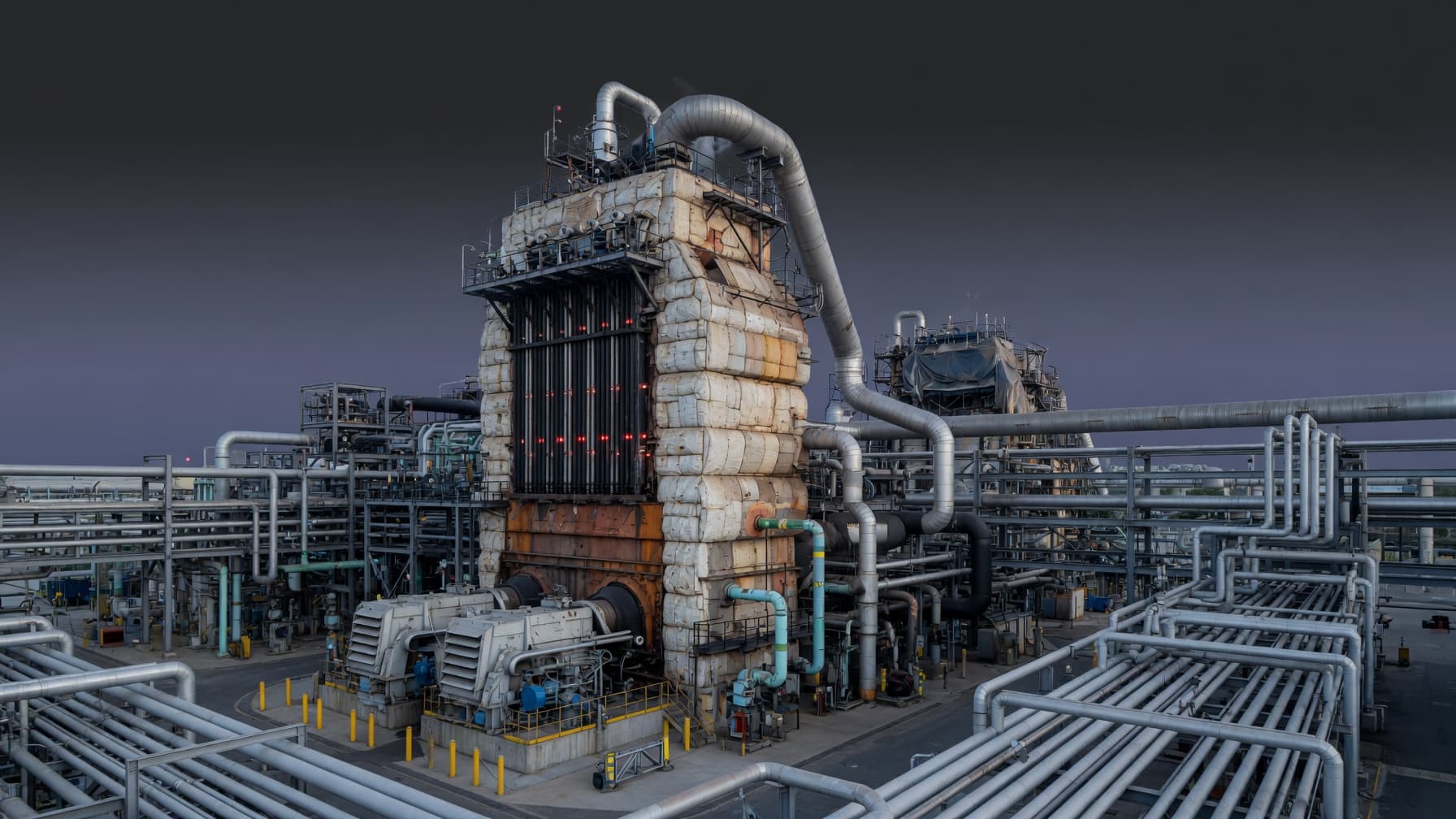
South Korea's Small Cracker Shutdowns: What Asia's Petrochemical Consolidation Means for Buyers
South Korea's planned petrochemical restructuring is expected to close smaller stand-alone naphtha crackers, signalling a broader wave of capacity consolidation across Asia. Procurement teams should assess how fewer production assets may influence polymer supply, feedstock pricing and regional sourcing strategies.

Sulfur Supply Recovery: Gulf Refinery By-Product and the 45% Global Share That Was Offline
The Hormuz crisis disrupted nearly 45% of global sulfur supply as Gulf refinery by-product exports collapsed for months. With vessel movement now improving, sulfur and sulfuric acid buyers may finally see the first meaningful cost relief in August after one of 2026’s most overlooked supply chain disruptions.

Top 5 Chemical Intelligence Tools That Proved Their Value During the Hormuz Crisis
The 2026 Hormuz crisis proved that traditional procurement systems are no longer enough during global supply chain disruption. Tools like Straits.live, ICIS, Xeneta, Kpler, and IMF PortWatch gave chemical buyers the real-time intelligence needed to make faster and smarter procurement decisions when conventional supplier communication failed.

Port Infrastructure Shift in H1 2026: Sohar and Khor Fakkan Become Permanent Gulf Chemical Hubs
Sohar and Khor Fakkan close H1 2026 as expanded chemical logistics hubs, reshaping Gulf trade flows beyond Hormuz disruption. This shift signals a permanent change in regional distribution architecture for chemical supply chains

Citric Acid H2 2026 Contracts: Why July Creates a Strategic Procurement Opportunity
Freight conditions are changing rapidly for global citric acid buyers as shipping routes recover and logistics costs begin to ease. Procurement teams negotiating H2 2026 contracts have a short opportunity to secure improved delivered pricing before freight adjustments spread across the market.
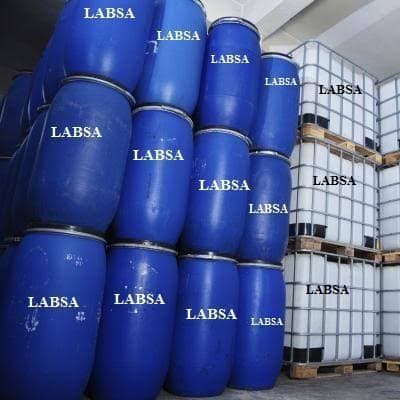
LABSA Supply: Gulf n-Paraffin Returns to Market — How Detergent Chemical Buyers Should Respond
The reopening of Gulf export routes is improving n-paraffin availability, a key feedstock for LAB and LABSA production. As supply normalizes, detergent manufacturers may see easing costs in H2 2026, while buyers with existing contracts should review pricing adjustment clauses.
Don't miss out on our updates! Subscribe to our newsletter now
We're committed to your privacy. Tradeasia uses the information you provide to us to contact you about our relevant content, products, and services. For more information, check out our privacy policy.