

Related Insights
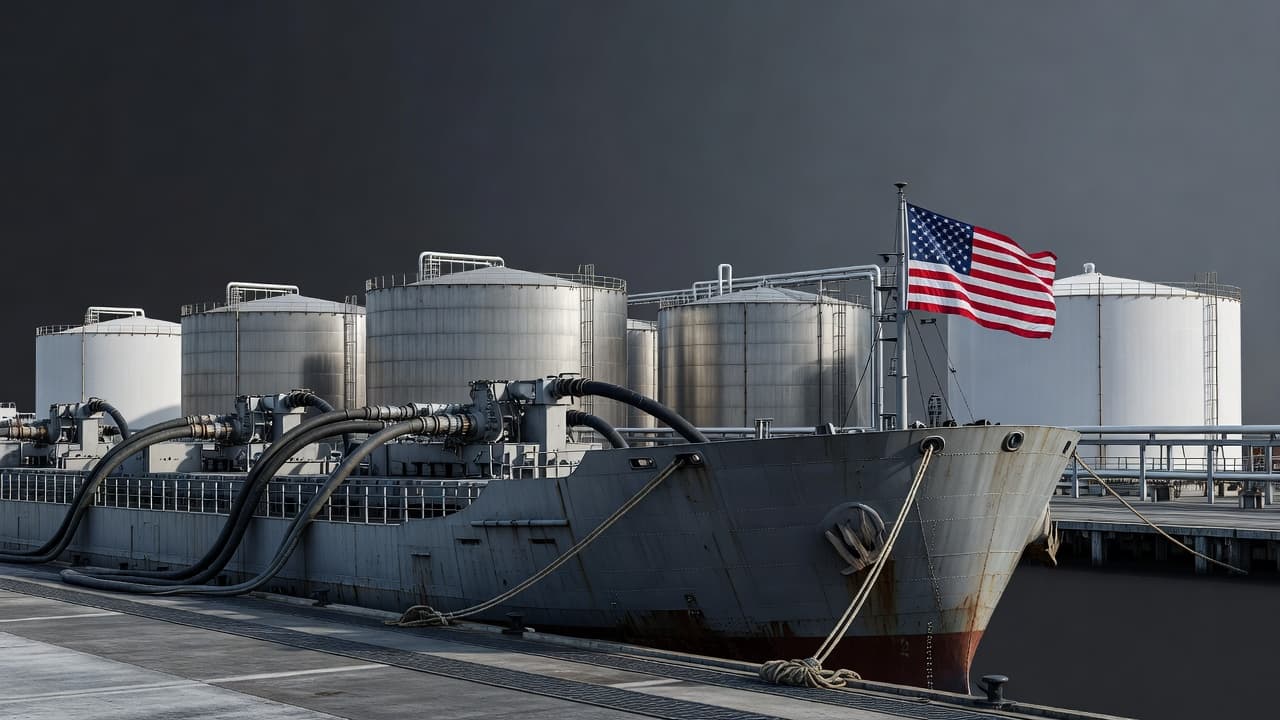
Jones Act Waivers as a Regulatory Tool: What Earlier Shipping Relief Could Mean for Chemical Logistics
A previous 60-day Jones Act waiver eased fertilizer and petroleum transport during supply chain disruption. Chemical procurement and compliance teams should understand how similar regulatory measures could influence domestic logistics, freight availability and contingency planning.

Global Production Forecast Cut: What Atradius's 2026 Warning Means for Chemical Procurement
Atradius expects global chemical production to grow by only about 0.6% in 2026, with continued geopolitical conflict potentially resulting in a 1.7% contraction. Procurement teams should prepare for tighter supply conditions, changing pricing dynamics and increased sourcing risks.
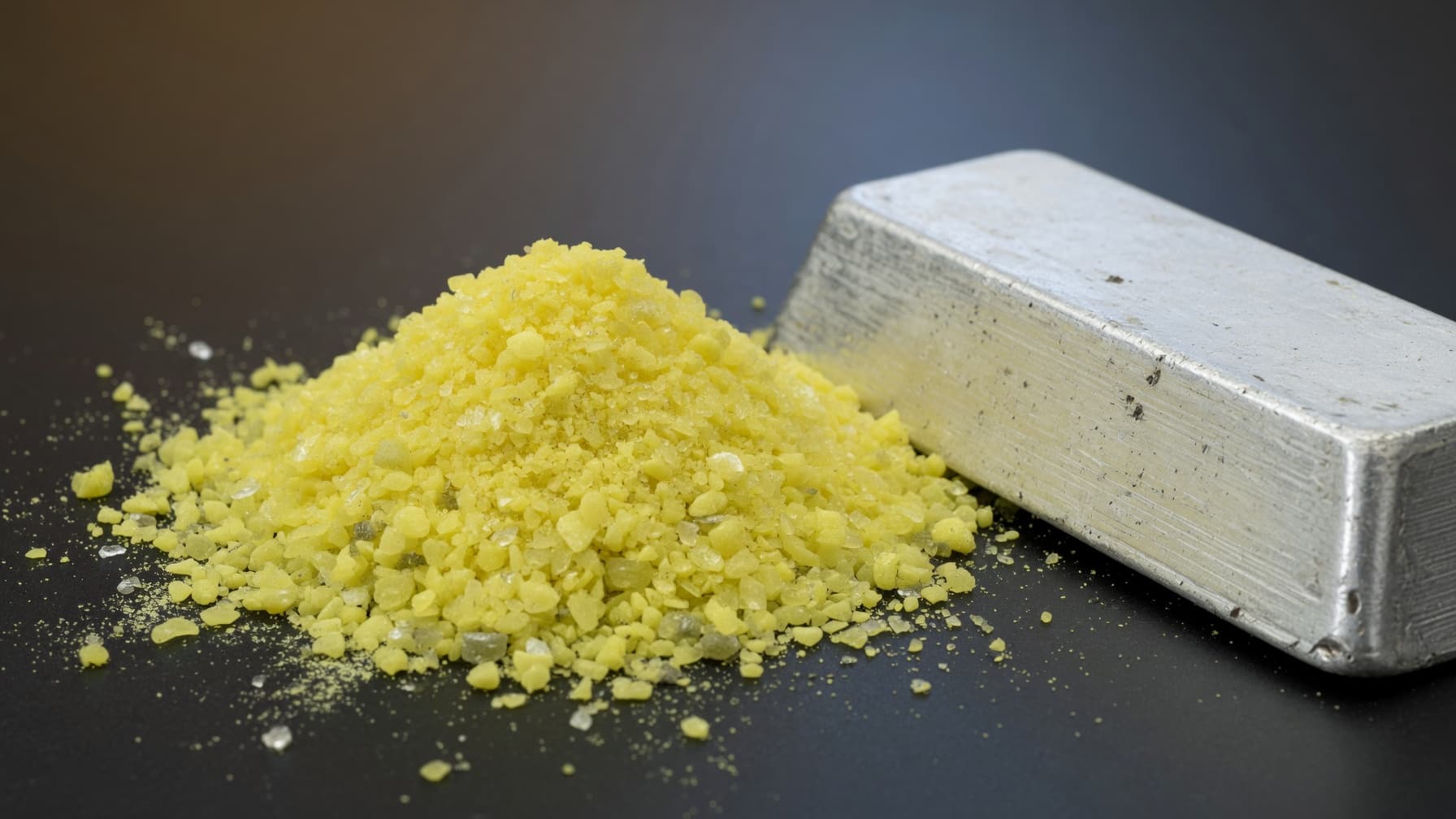
Sulfur and Aluminum Supply at Risk: What the Hormuz Crisis Means for Chemical Procurement
The Strait of Hormuz disruption extends beyond oil markets, affecting sulfur, aluminum, methanol and graphite that support global chemical manufacturing. Procurement teams should reassess sourcing strategies as industrial raw material risks continue to evolve.

Algal Oil and Marine Bio-Based Ingredients: A Hormuz-Independent Supply Strategy for Food Ingredient Buyers
Fermentation-based marine ingredients such as algal DHA, astaxanthin and beta-glucan offer food manufacturers a more resilient supply chain during periods of global shipping disruption. Procurement teams should understand why production geography matters as much as ingredient performance.

ADNOC’s Dual Hubs: Ruwais Gearing Up as Secondary, Sohar Remains Primary Export Route
ADNOC’s two‑hub strategy reshapes the UAE chemical market. While Ruwais ramps up convoy operations, Sohar continues to dominate due to its established logistics network and lower congestion. Chemical buyers must weigh cost, risk, and supply‑chain nuances for Q3 2026.
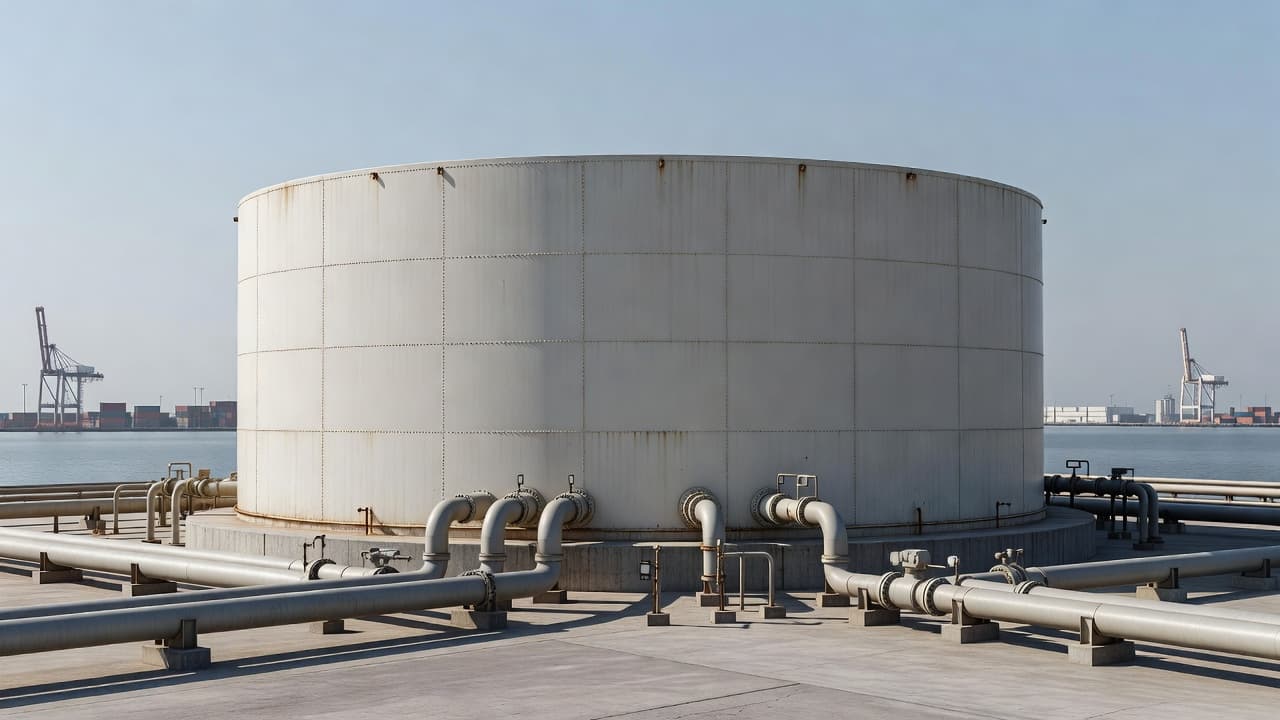
Chemical Supply Chain Risk After Oman Crisis: What Buyers Must Know in 2026
Chemical supply chains depend on stable trade routes, diplomatic channels and predictable negotiations. The Oman crisis shows how quickly geopolitical decisions can affect sourcing strategies, supplier confidence and procurement planning.
Don't miss out on our updates! Subscribe to our newsletter now
We're committed to your privacy. Tradeasia uses the information you provide to us to contact you about our relevant content, products, and services. For more information, check out our privacy policy.